Evaluating online reviews is one of the smartest steps you can take before a major investment like a new roof. As a roofing company for nearly 50 years, we can tell you that a star rating is only the cover of the book. You have to read the chapters to see the truth.
To find a contractor who is reliable, safe, and professional, use this checklist to filter through the noise.
1. Look for the “Green Flags” of Authenticity
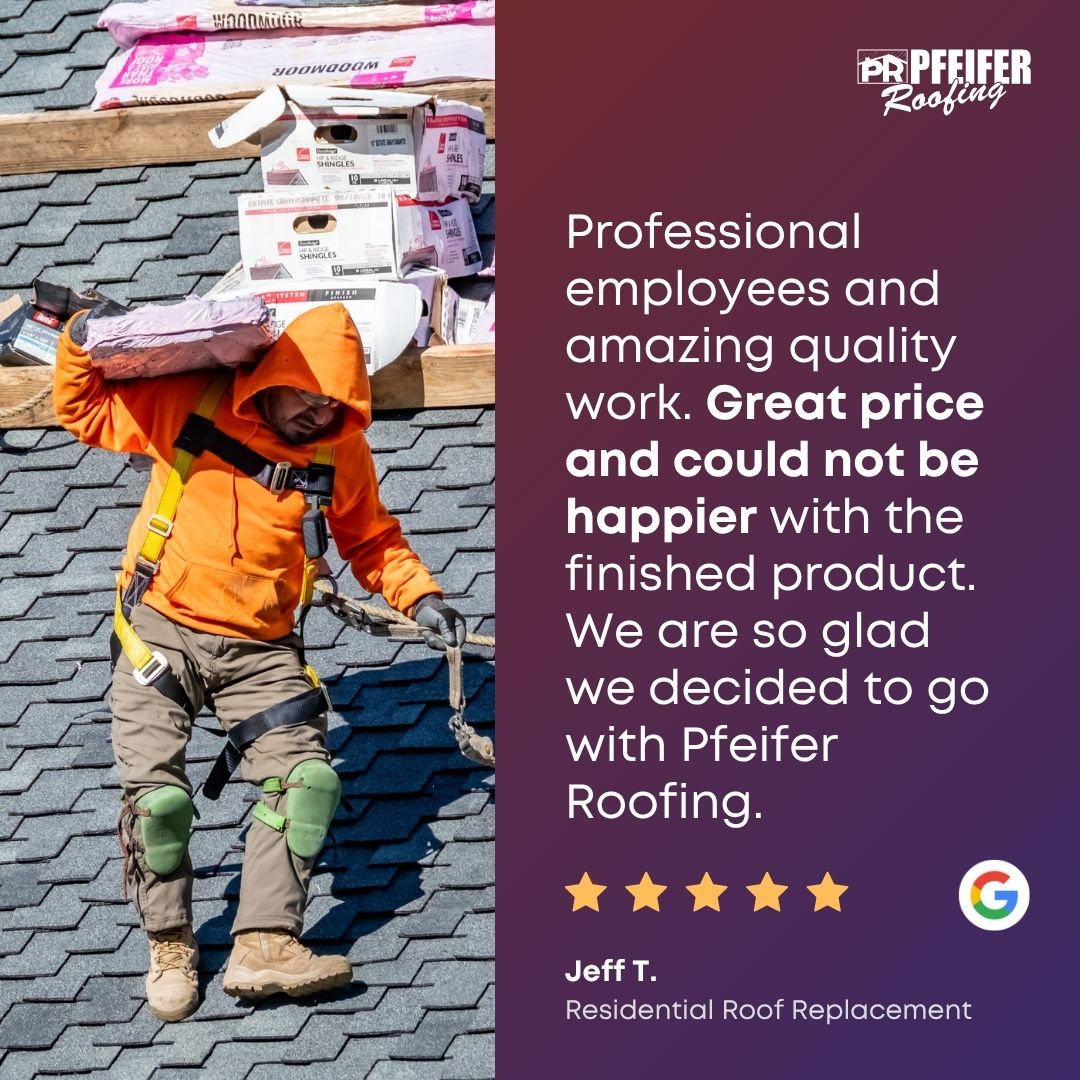
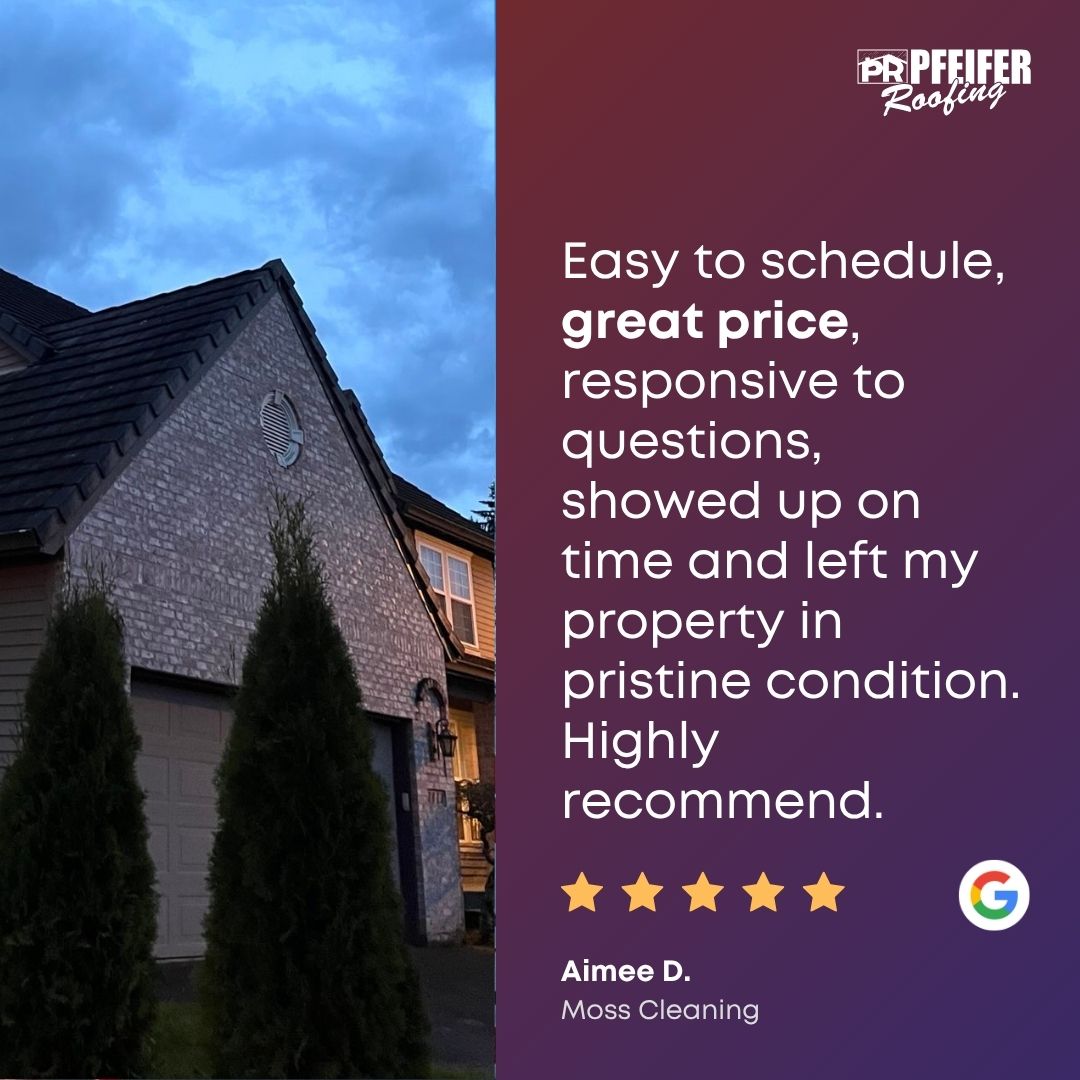
Generic praise (e.g., “Great job!”) is easy to fake. Real homeowners tend to provide details.
- Mentioning Names: Look for reviews that name specific crew members, project managers, or office staff. It shows the customer actually interacted with the team.
- Specific Problems Solved: A review that explains how a contractor handled a tricky chimney leak or a surprise plywood replacement is worth ten “5-star” ratings with no text.
- Customer Photos: Authentic reviews sometimes include photos of the job site, the new shingles, or the crew in action.
2. Identify the “Red Flags” in Negative Feedback
Don’t be afraid of a few bad reviews—everyone has a bad day or a difficult client. Instead, look at the patterns:
- Communication Gaps: Are people consistently saying they were “ghosted” after the deposit was paid?
- Clean-up Issues: Do multiple reviews mention flat tires from nails or debris left in the landscaping?
- Defensive Responses: Look at how the company responds to criticism. A professional roofer will be calm, factual, and offer to make things right. Avoid contractors who get into “shouting matches” in the comments.
3. Verify the “Local Footprint”
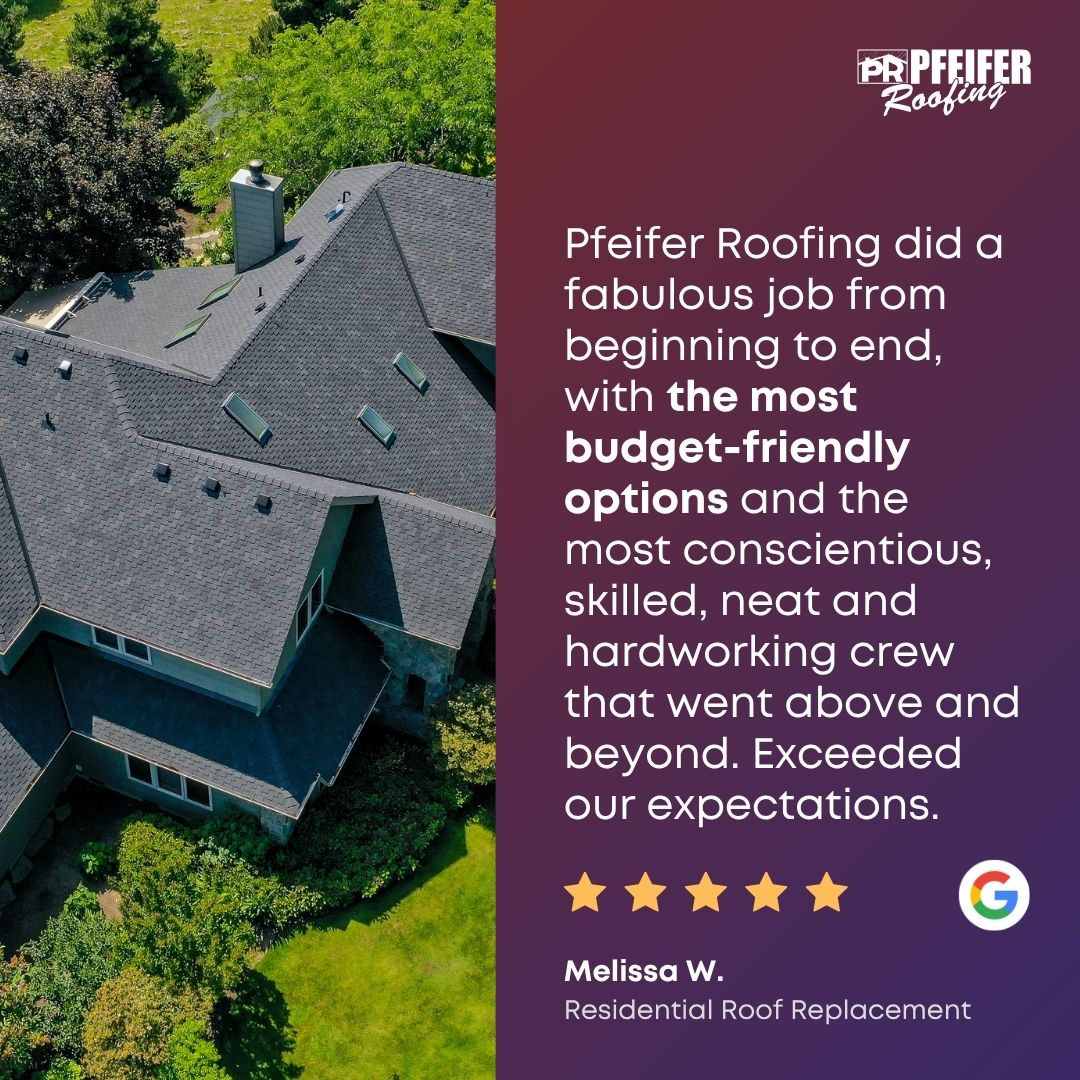
National chains often have high ratings, but their work is frequently subcontracted to local crews you haven’t researched.
- Frequency and Recency: A reputable roofer should have steady feedback over the last 12 months. A sudden “burst” of 20 reviews in one week, followed by months of silence, can be a sign of bought reviews.
- Verified Local Experience: Does the reviewer mention a specific neighborhood or local weather event (like a recent windstorm)? This confirms the roofer actually works in your community.
4. Cross-Reference Platforms
Never rely on just one site. Check at least three of the following to see if the reputation holds up across the board:
- Google Maps: Best for overall volume and recent activity. Want to read our 500+ reviews?
- Better Business Bureau (BBB): Excellent for seeing how the company handles formal disputes. View our profile.
- Guild Quality: In-depth reviews over 10-20 specific areas on each project. Want to read our 1,000+ reviews?
- Industry-Specific Sites: Look for certifications like NRCA (National Roofing Contractors Association) memberships or manufacturer-specific badges (e.g., Owens Corning Platinum Preferred or CertainTeed ShingleMaster). Pfeifer holds all three of these certifications, along with others.
Summary Checklist for Quick Evaluation
| Checkpoint | What to Look For | Why it Matters |
| Star Rating | 4.2 to 4.8 is often more “real” than a perfect 5.0. | Perfect scores can be manipulated; real business involves hiccups. |
| Review Count | At least 100–150+ reviews for established companies. | Small counts are easily skewed by friends and family. |
| Response Rate | Does the owner reply to both good and bad reviews? | Shows they are active and care about customer satisfaction. |
| Detailed Text | Long-form reviews describing the roofing process or attic checks. | Proves the contractor performed a thorough, professional assessment. |
Expert Tip: Once you’ve narrowed it down and believe you need more info, ask the roofer for 2-3 local references from projects completed in the last six months. Online reviews help to narrow the field, but a direct conversation with a past client can help you make a confident decision.