
In the Pacific Northwest, waiting for a visible leak to schedule maintenance is often like waiting for the “Check Engine” light to come on before changing your oil. By the time you see the symptom, the damage is already well underway.
Given the unique climate of the PNW, here is why proactive maintenance is a necessity rather than an elective service:
1. The “Invisible” Threat: Organic Growth
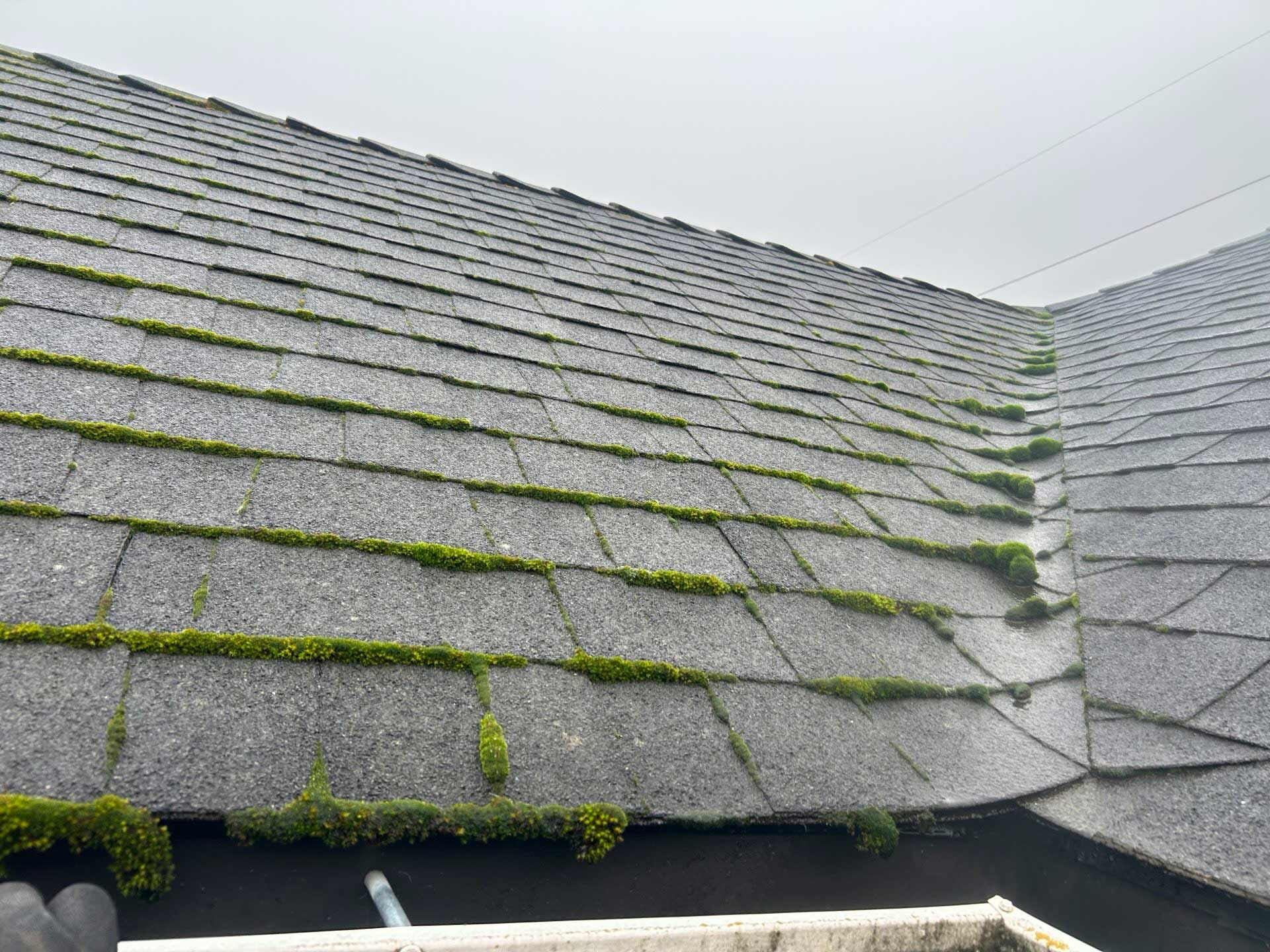
In our region, moss and algae are more than just cosmetic issues. Moss acts like a sponge, holding moisture against your shingles and eventually lifting them. This allows water to seep underneath, rot the roof deck, and compromise the integrity of the system. Professional maintenance includes gentle, non-destructive treatments to kill spores before they take root.
2. Moisture Traps (Debris)
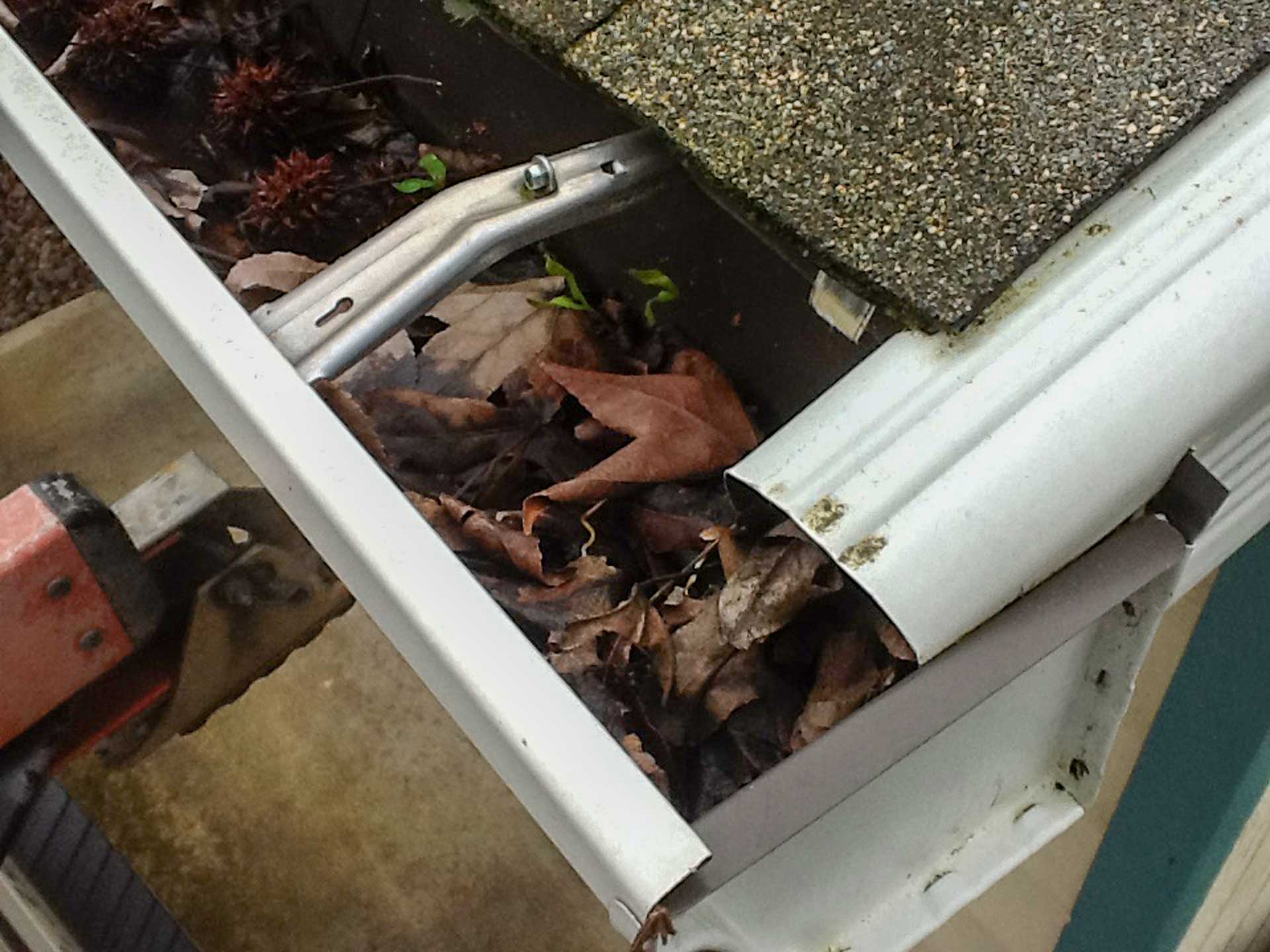
With the heavy rainfall and dense tree cover in areas like the Willamette Valley or the Oregon Coast, needles and leaves accumulate quickly in “valleys” and behind chimneys. These debris dams trap water, forcing it to travel sideways or upward under the shingles (capillary action), which a standard roof isn’t designed to handle.
3. Thermal Expansion and Sealant Failure
Even without a storm, your roof undergoes constant “thermal shock” from fluctuating temperatures. This causes pipe boots and flashing sealants to crack over time. A technician can identify a failing seal and reapplying a bead of high-grade sealant—a five-minute fix that prevents a multi-thousand-dollar interior drywall repair later.
4. Gutter Health and Foundation Protection
Roof maintenance isn’t just about the shingles; it’s about water management. Clogged gutters lead to “overflow” situations that can rot your fascia boards and, more importantly, dump water directly at your home’s foundation, potentially leading to basement or crawlspace issues.
5. Protecting Your Warranty
Many homeowners don’t realize that major shingle manufacturers actually require periodic professional maintenance to keep the material warranty valid. If you ever need to file a claim, having a documented history of professional inspections can be the difference between a payout and a denial.
The Importance of Physical “Foot Traffic” Inspections
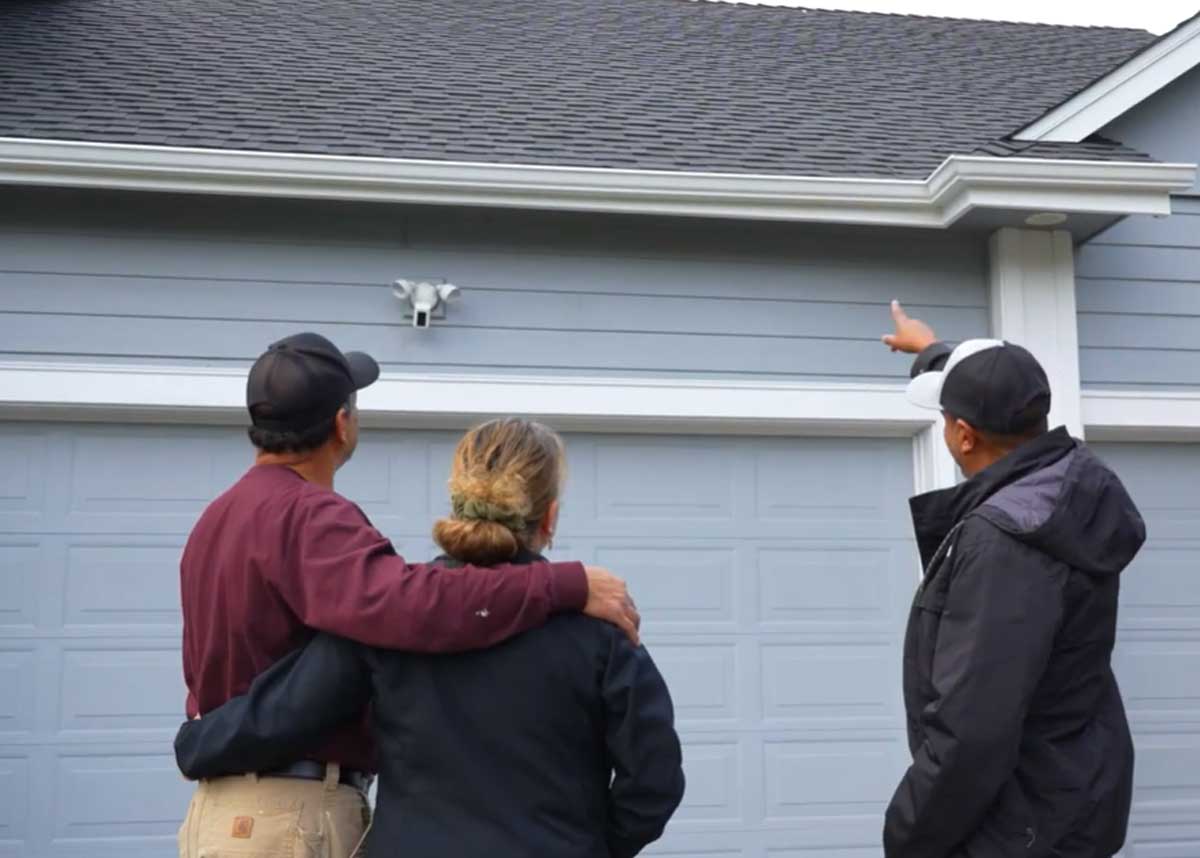
While some companies use drones for estimates, there is no substitute for a technician physically walking the roof to discover soft spots. These occur when the plywood or OSB decking underneath your shingles begins to rot or delaminate. To a technician, the surface will feel “spongy” or “springy” underfoot—a tactile warning sign that is completely invisible to a camera lens or the naked eye.
In the PNW climate, moisture can become trapped between the shingles and the decking, causing the wood to rot from the top down. Because this subsurface rot often hasn’t soaked through the attic insulation yet, the roof looks perfectly fine from the ground. A physical inspection reveals these compromised areas before they become safety hazards or lead to a “break-through,” where the structure can no longer support weight.
Catching these spots during a routine visit is the difference between a simple, localized repair and a massive project. When the decking is soft, it can no longer hold the nails that keep your shingles in place, leading to “nail pops” and wind damage. Identifying these inconsistencies early allows you to replace a single sheet of plywood for a fraction of the cost of replacing an entire roof plane later.
Recommended Maintenance Schedule
For a home in the Willamette Valley or the Oregon Coast, a bi-annual inspection is the gold standard:
- Spring: To clear winter debris and check for wind damage.
- Late Fall: To ensure gutters are clear and the roof is sealed before the heavy winter rains arrive.
Pro Tip: If you have a low-slope or “flat” roof section, maintenance is even more critical, as these systems rely entirely on perfect seals to prevent ponding water from entering the home.