In the Pacific Northwest, specifically the Willamette Valley and the Oregon Coast, roofing isn’t just about curb appeal it’s about moisture management. The constant rain, high humidity, and salt spray require specific material grades to prevent premature failure.
Here is an analysis adjusted for the unique climates of the I-5 corridor and the Pacific coastline.
PNW Regional Material Comparison
| Feature | Asphalt Comp Shingles | Metal (Standing Seam) | Tile (Concrete) | Wood (Cedar Shakes) |
| Moisture Resistance | High (if algae-resistant) | Superior | High | Low (High rot risk) |
| Wind Resistance | 110–160 MPH | 140+ MPH | High (but brittle) | Moderate |
| Salt Air Impact | Low | High (Needs Aluminum) | Low | Low |
| Moss/Algae Risk | Low | Low | Moderate | Extreme |
| Maintenance | Low | Very Low | Moderate | High |
Critical Considerations for the Willamette Valley & Oregon Coast
1. Asphalt Composition Shingles – AR (The PNW Standard)

In the Willamette Valley, shingles are the most common choice, but they face a major enemy: Moss.
- The Adjustment: For this region, we exclusively recommend shingles with high concentrations of copper or zinc granules. These act as a natural biocide to prevent the green “carpet” that often grows on North-facing roofs in Salem or Eugene. Roofing shingles with these qualities are called algae-resistant or AR.
- The Coastal Factor: On the Oregon Coast, shingles must be installed with a “six-nail” pattern rather than the standard four to meet high-wind warranties.
2. Metal Roofing (The Coastal Workhorse)
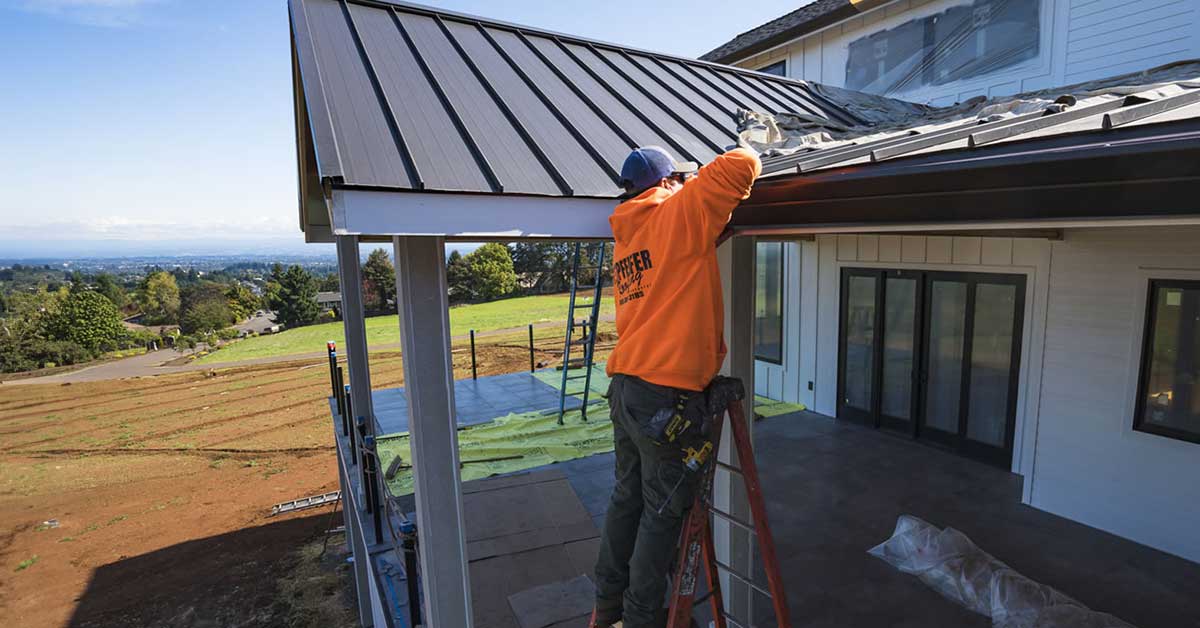
Metal is the premier choice for the Oregon Coast because it sheds heavy rain instantly and withstands extreme wind gusts.
- The Adjustment: If you are within 3,000 feet of the ocean, Steel is not recommended due to salt corrosion. Instead, we use Aluminum or Copper. Aluminum does not rust, making it the only long-term metal solution for towns like Lincoln City or Newport.
- The Valley Factor: In the Valley, Standing Seam metal is highly prized for its “self-cleaning” properties; pine needles and debris slide right off during the rainy season.
3. Tile (Concrete & Clay)
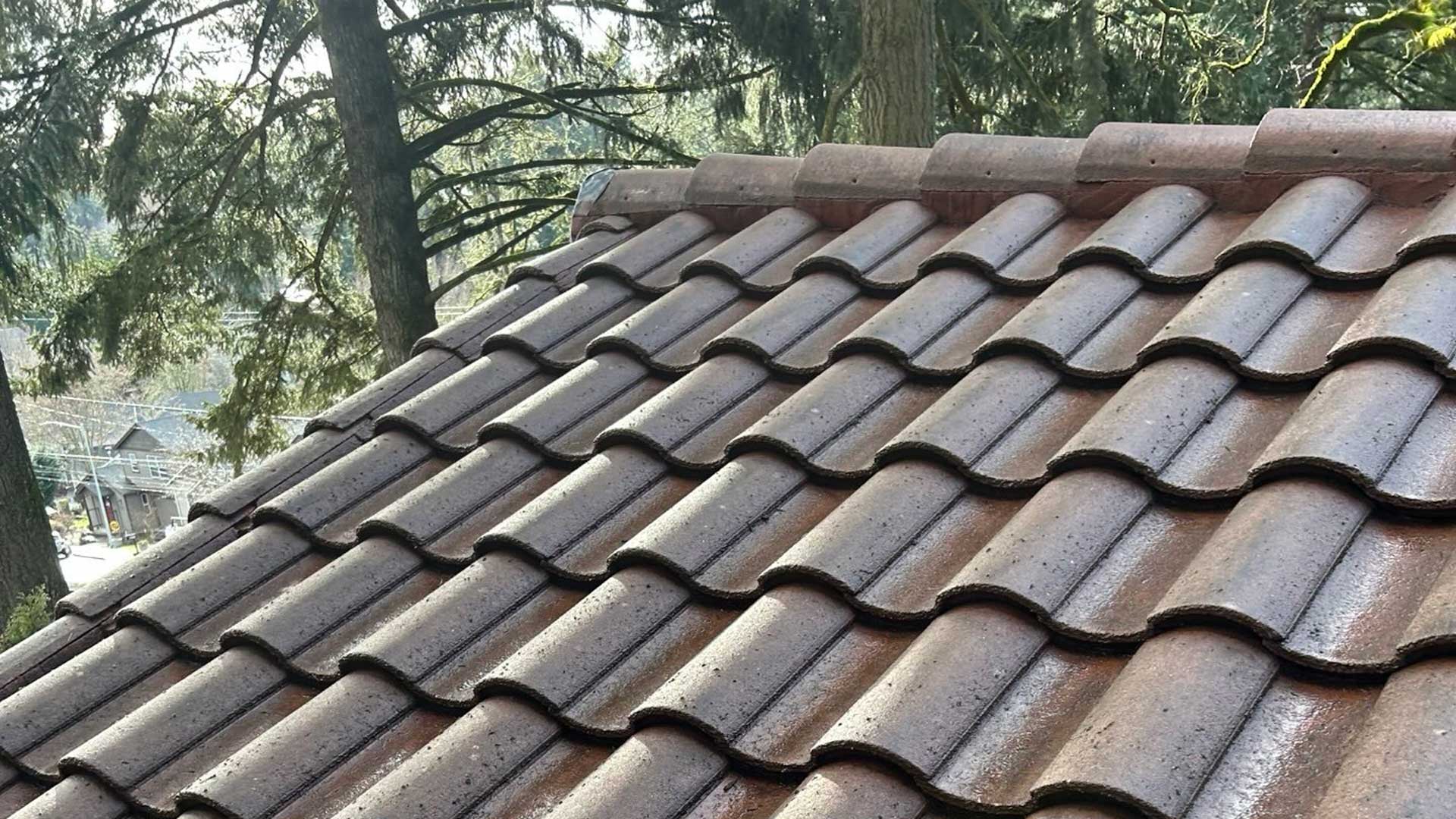
Tile is popular for high-end homes in the Valley that want a European or Spanish look.
- The Adjustment: In our wet climate, the “underlayment” is more important than the tile itself. Since water can migrate under tiles during a wind-driven rainstorm, we use a double-layer of high-temp synthetic underlayment to ensure the wood deck stays dry.
- The Coastal Factor: Tile is heavy and acts as a great anchor in high winds, but it must be fastened with stainless steel screws to prevent salt-air rust from snapping the heads off.
4. Wood (Cedar Shakes)
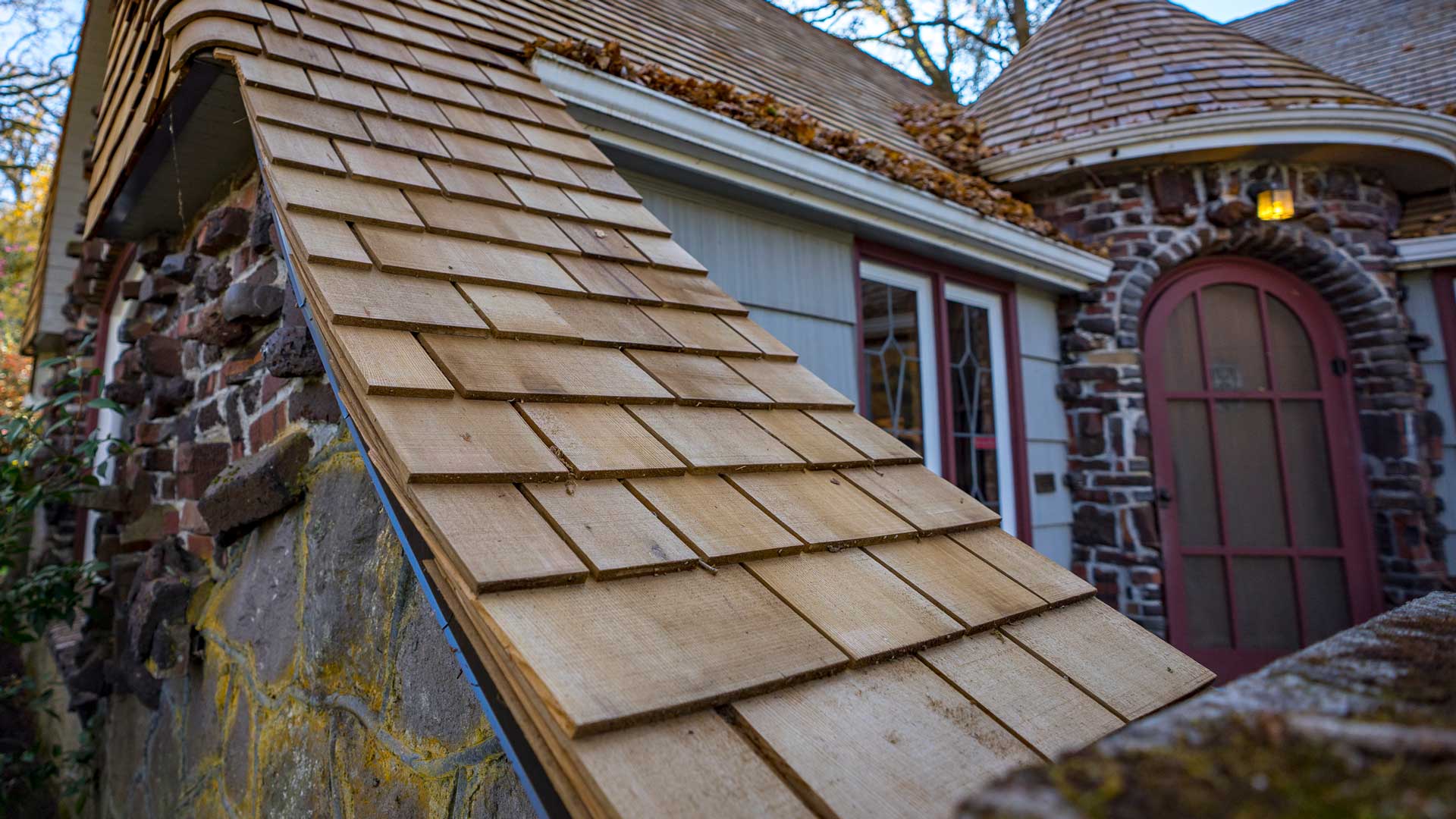
While beautiful and historically accurate for the PNW, cedar is the most “high-maintenance” option here.
- The Adjustment: In the Willamette Valley, wood stays damp for 8–9 months of the year. To prevent rot, we use pressure-treated shakes infused with fire retardants and fungicides.
- The Coastal Factor: We generally advise against wood on the immediate coast. The combination of salt, moisture, and high winds can cause shakes to curl and pull away from the fasteners much faster than inland.
FAQ: Pacific Northwest Edition
Moss acts like a sponge, holding water against your shingles. In the winter, that water freezes and expands, lifting the shingles and breaking the seal, which leads to leaks.
No. In fact, modern metal roofs are installed over a “thermal break” or high-quality insulation. In the Valley, they actually help keep the home warmer by keeping the attic assembly dry.
Standard galvanized nails will corrode in 5–10 years due to the salt air in places like Lincoln City. We use stainless steel nails to ensure the roof stays attached to the house for its full lifespan. We also use stainless flashings.
Index of Regional Terms
- Algae-Resistant (AR) Granules: Ceramic-coated copper granules built into shingles to prevent the growth of Cyanobacteria (the black streaks often seen on Valley roofs).
- Flashing: Metal pieces installed at “high-risk” areas like chimneys and valleys. In the PNW, we prefer heavy-duty lead or custom-bent aluminum to handle our high rainfall volume.
- Open Soffit: A design where the rafters are visible. We ensure fasteners penetrate the substrate clearly here for structural integrity.
- Substrate: The plywood or OSB “deck” of your roof. In our wet climate, we inspect this thoroughly for “delamination” (the wood peeling apart) caused by humidity.
- Zinc Strips: A traditional PNW method of installing metal strips at the roof peak that release moss-killing ions when it rains.