
You know your roof needs attention—or maybe you’ve just received a roofing quote—and now you’re wondering what comes next. Between confusing terminology and uncertainty around costs, the roofing process can quickly feel overwhelming.
It shouldn’t be this complicated—and it doesn’t have to be. That’s why we created Roofing Basics 101: The Homeowner’s Guide to Roofing to help you understand your options and move forward with confidence.
Let’s get started. Here’s what you’ll learn in this post:
- Why Your Roof Matters
- Roofing Made Simple (Basic Terminology)
- Understanding Roof Types
- Common Residential Roofing Materials
- How Long Will Your Roof Actually Last?
- Common Roofing Problems Homeowners Will Face
- Roof Maintenance Tips (A Little Love Goes a Long Way)
- Repair vs. Replacement: How to Know the Difference
- What to Expect from a Professional Roofing Inspection
- How Much Does a New Roof Typically Cost?
- Choosing the Right Roofing Contractor
- Final Thoughts: Peace of Mind Starts at the Top
1. Why Your Roof Matters
Your roof is one of the most important parts of your home and is one of the easiest to overlook. Whether you’ve got a traditional roof with a pitch or one of those low-sloping roofs, your roof is the first line of defense to protect your house from the elements. It also helps with energy costs, plays a major role in your home’s value, and can impact whether you can get homeowners insurance.
Protection From Rain, Wind and Sun (Weather and Water Damage)
A roof is designed to keep rain, wind and snow at bay, as well as protect from the sun year after year. When the roof is in good shape, it keeps water out and prevents damage to your home, so it’s worth paying attention to its condition. What may appear to be small problems with your roof, such as missing shingles, damaged flashing, or water pooling on a flat roof (ponding) can quickly turn into leaks, mold and worse if they’re not addressed right away.
A Strong Roof Protects Your Home’s Structure
Roof problems don’t just affect what you can see, water can also damage below the surface, infiltrating the roof decking, framing, drywall, insulation and exterior walls. If this continues long enough, your whole home’s structure can start to suffer and lead to costly repairs. Regular check-ups and timely repairs help protect your home and extend the life of your roofing system.
The Impact of Your Roof on Energy Efficiency
Your roof works with the insulation and ventilation to keep your home at a comfortable temperature all year round, and it can do this well if installed properly. A properly installed and well-maintained roof can:
- Keep the air inside cool during summer
- Reduce heat loss in winter with cooler temperatures
- Lower heating and cooling costs
- Reduce strain on your heating and cooling system (HVAC)
Older roofs or poor ventilation can lead to uneven temperatures and higher energy bills.
How Roofing Can Affect Your Home Insurance
Many homeowners don’t realize the condition of their roof can affect their ability to get or keep homeowners’ insurance. Some insurance companies may:
- Refuse to insure a home with an aging or damaged roof
- Demand you get the roof repaired or replaced before issuing a policy
- Increase premiums for older roofing systems
A well-maintained roof can help avoid insurance issues and make the underwriting process smoother, especially when buying or selling a home.
Curb Appeal, Home Value, and Resale
Your roof is one of the most visible features of your home. A clean, well-maintained roof improves curb appeal and signals to buyers that the home has been properly cared for. For homeowners planning to sell, the roof can be a major factor during inspections and negotiations. A newer or well-maintained residential roof can increase property value and help a home sell faster, while a failing roof may raise concerns for buyers and lenders.
Peace of Mind for Homeowners
Knowing your roof is in good condition provides peace of mind, especially during storms or extreme weather. Regular maintenance and professional inspections help catch small issues early, reducing the risk of unexpected leaks, emergency repairs, and insurance complications.
If you’re unsure about the condition of your roof, a professional residential roofing inspection is a smart first step. Learn more about roof inspections.
Now we just threw a lot of information at you and expected you to know what we were talking about. If you’re new to roofing, the following section can really help. If you’re already familiar with roofing, this might be a good time to brush up on the basics.
2. Roofing Made Simple (Basic Terminology)
When you talk with a roofer or read an estimate, you’ll probably hear a few terms that sound technical or confusing. Understanding the basics can make those conversations much easier—and help you feel confident about the decisions you’re making for your home.
If you’re here because you just received a roofing estimate, it’s completely normal to feel like it is written in a different language. Between the technical jargon and the big price tags, it can be a lot to take in. However, knowing just a few of these “pro” terms can help you feel less like a bystander and more like the person in charge of your home.
Here is a quick, plain-English guide to what your roofing contractor is actually talking about:
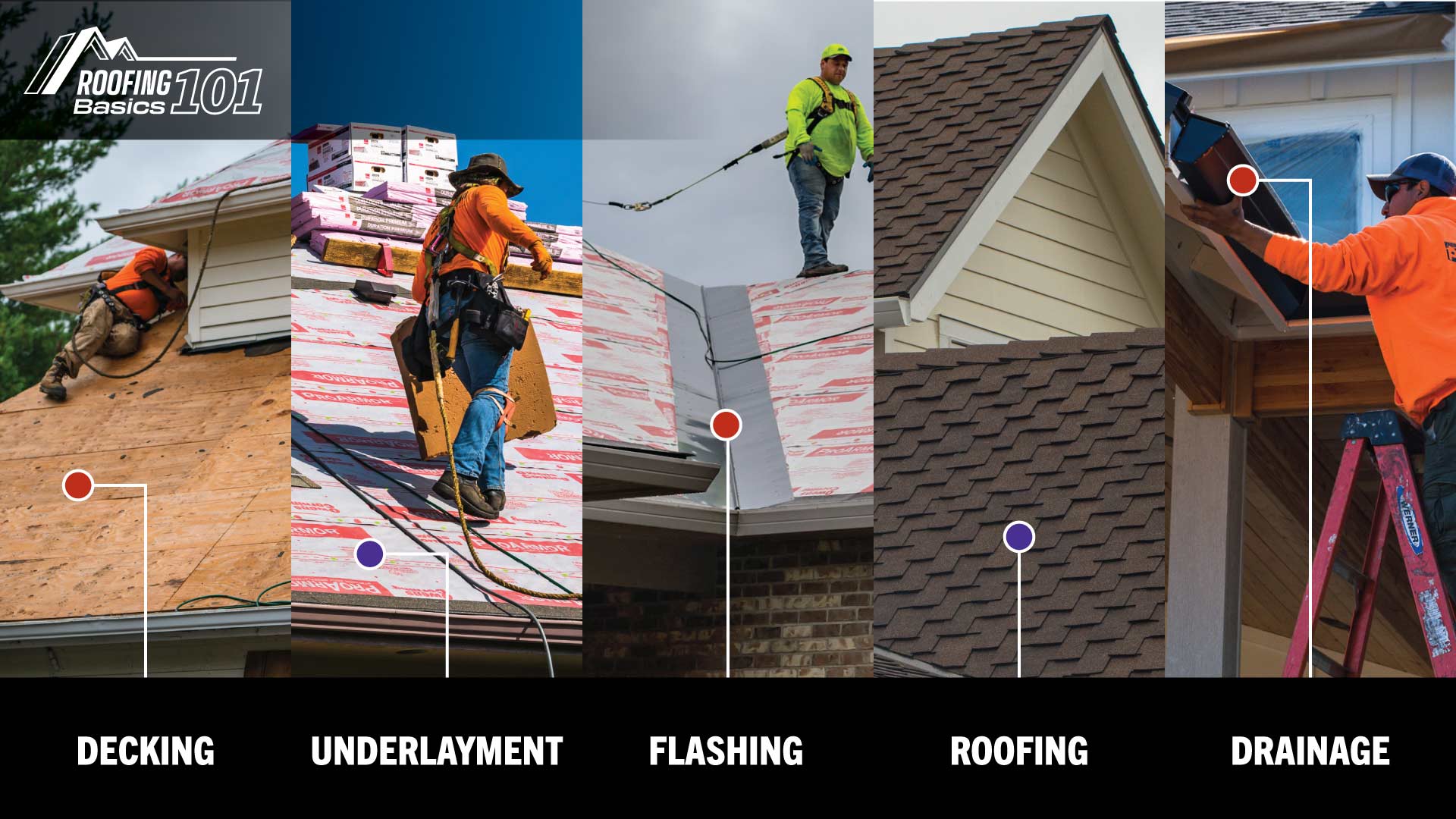
Decking (The Foundation)
Think of the decking as the foundation of your roof. It’s the layer of wood (usually plywood or OSB) that sits on your home’s frame (trusses or rafters). Everything else—shingles, metal, or tile—is fastened to this.
Why it matters: If your roofer finds “rot” or other integrity issues in the decking, it’s like having a cracked foundation on a house. It has to be fixed before the new stuff goes on, or the whole roof is at risk.
Underlayment (The Raincoat)
Even though you can’t see it once the job is done, underlayment is vital. It’s a water-resistant layer that sits right on top of the wood decking. Its job is to act as a moisture barrier, providing extra protection against leaks caused by rain, wind-driven water, or ice.
Why it matters: If a shingle blows off during a storm, this is your secondary defense. It’s the “raincoat” that keeps your attic dry until you can get a repair.
Flashing (The Seals)
Flashing consists of thin metal strips installed wherever the roof meets another surface—like your chimney, a vent, a skylight, or a wall.
Why it matters: Water loves to seep into corners. Flashing is designed to “bridge the gap” and force water to keep moving down toward the gutters rather than soaking into your walls.
Roofing Materials
We’ll cover this later in Common Residential Roofing Materials. Right now, you just need to know this is the finished, outer layer of your roof.
Drainage (The Exit Strategy)
Drainage is simply how water gets off your roof and away from your house. It’s a combination of the roof’s angle, your gutters, and your downspouts.
Why it matters (Pitched Roofs): If water pools or “stands” on your roof, it’s only a matter of time before it finds a way inside. Good drainage keeps your foundation safe and your basement dry. Poor drainage can lead to standing water, leaks, and even structural damage over time.
Why it matters (Low Slope or Flat Roofs): Unlike a sloped roof, a flat roof uses an engineered system of drains to clear the roof. Standing or “ponding” water is heavy; just one inch of water on a 1,000-square-foot roof weighs about 5,200 pounds. That weight can cause the roof to sag, creating even deeper pools and eventually leading to a structural collapse or major membrane failure. Clearing drains and removing debris (leaves, moss, etc.) is essential to keeping this system working at optimum performance.
Pitch vs. Slope (The Steepness)
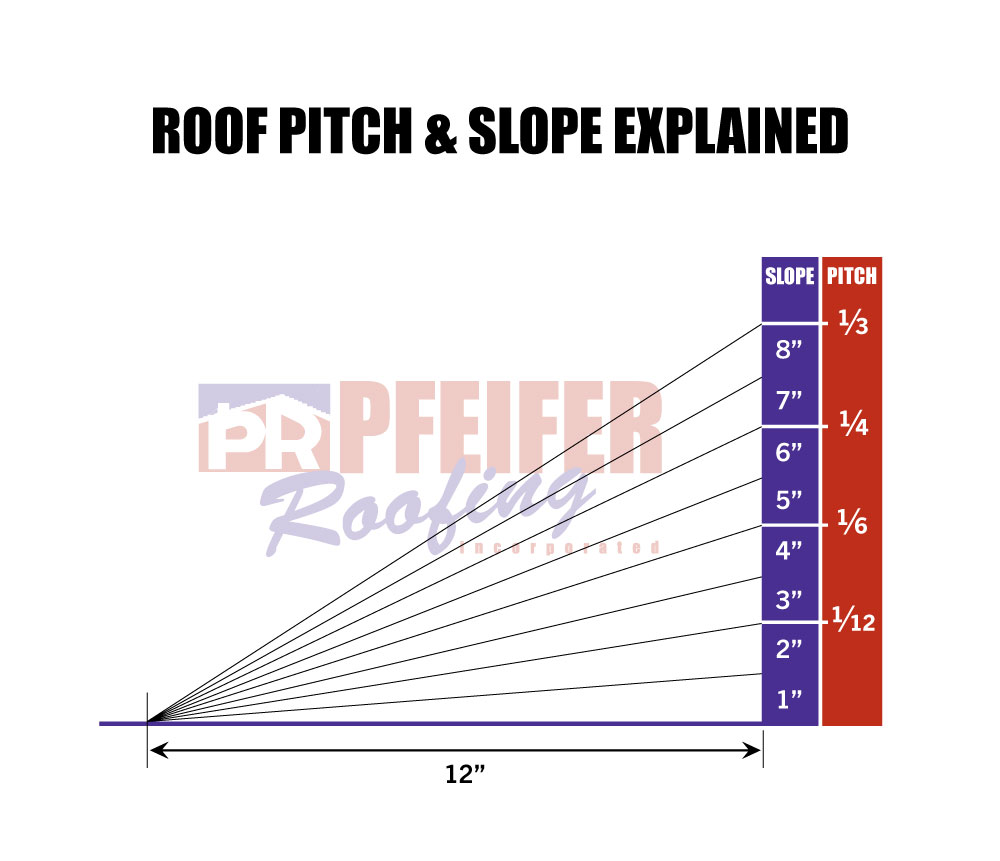
While pros use these terms slightly differently, they both essentially mean: “How steep is the roof?” Pitch typically refers to the ratio of roof height to width, while slope is usually expressed as the amount of rise over a 12-inch horizontal run (for example, a 6/12 slope). Why it matters: Steeper roofs (high pitch) shed water and snow instantly. If you have a flatter roof (low slope), you’ll need specific waterproof materials because water doesn’t run off as easily, making it more prone to leaks.
Why All These Terms Matter (The Bottom Line)
You don’t need to be an expert to get a great roof, but knowing these terms helps you ask the right questions. When a contractor says you need “new flashing around the chimney,” you’ll know exactly what they’re protecting and why. In essence, you’re better equipped to spot potential issues, compare options, and make informed choices that protect your home and investments.
Now that we’ve discussed the basics of roof terminology, let’s dig into the different types of roofs and their advantages.
3. Understanding Roof Types
It’s easy to think of a roof as just a lid for your house, but its shape actually dictates how your home breathes, how much storage you have, and how well it survives a storm.
A pitched roof has a noticeable slope that allows water, snow, and debris to naturally slide off the surface. The angle can be steep or gradual, but the key feature is that it’s not flat. This design has been used for centuries and remains the most common choice for residential homes.
Pitched (Sloped) Roofs: The Traditional Workhorse
The main job of a pitched roof is to let gravity do the heavy lifting. By using an angle, these roofs shed rain and snow before they have a chance to soak in and cause leaks.
Popular Styles & Their “Personalities”
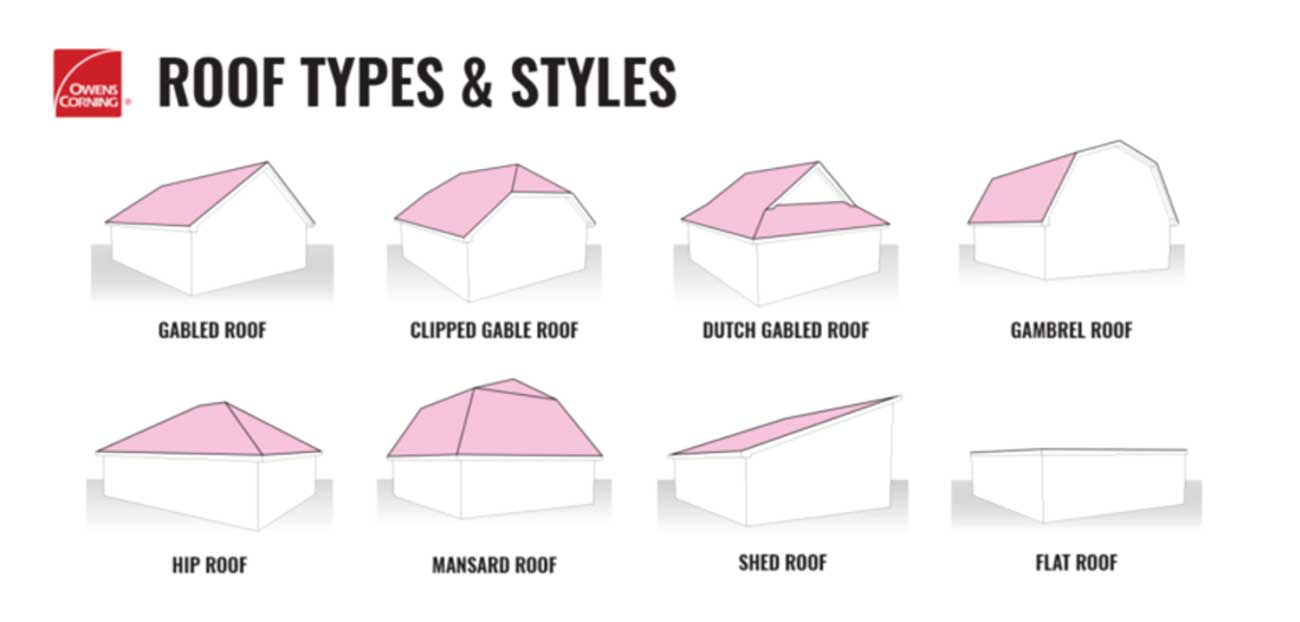
- Gable Roof (The “Classic Triangle”)
Gable roofs are one of the most recognizable styles. They have two sloping sides that meet at a peak, forming a triangular shape. This design is simple, cost-effective, and excellent at shedding water and snow. - Hip Roof (The “Sturdy Pyramid”)
A hip roof slopes on all four sides, meeting at a ridge or a single point at the top. Because it doesn’t have flat ends, it’s incredibly aerodynamic. If you live in a high-wind or hurricane zone, this is usually your best bet for stability. - Dutch Roof (The “Hybrid” Roof)
A Dutch roof is a hybrid of gable and hip styles. It features a hip roof with a small gable at the top, combining the stability of a hip roof with the added attic space and visual appeal of a gable. - Gambrel Roof (The “Barn Look”)
Often seen on barns and colonial-style homes, gambrel roofs have two slopes on each side—a steep lower slope and a gentler upper slope. This design creates extra interior space, making it popular for homes with attic or loft areas. - Mansard Roof (The “French Villa”)
A mansard roof features four sides with a steep lower slope and a flatter upper slope. This style adds usable living space and is commonly associated with French-inspired architecture. - Skillion Roof (The “Shed” Style)
A skillion roof has a single sloping surface rather than two sides meeting at a ridge. This style is often used on modern homes, additions, or porches and is valued for its clean lines and efficient water drainage. - Dormer Roof (The “Popup” Windows)
Dormers aren’t a full roof style on their own, but they are a common feature added to pitched roofs. A dormer extends outward from the main roof and typically includes a window, bringing in natural light and adding headroom to attic or upper-level spaces.
Some Advantages of Pitched Roofs
- Efficient water and snow shedding: The slope helps prevent standing water and heavy snow buildup.
- Longer lifespan: Because moisture drains easily, pitched roofs often last longer than flat alternatives.
- Traditional curb appeal: Sloped roofs offer a classic look that complements many architectural styles and boosts overall home appearance.
Low-Slope & Flat Residential Roofs: The Modern Alternative
What Qualifies as a Low-Slope Roof
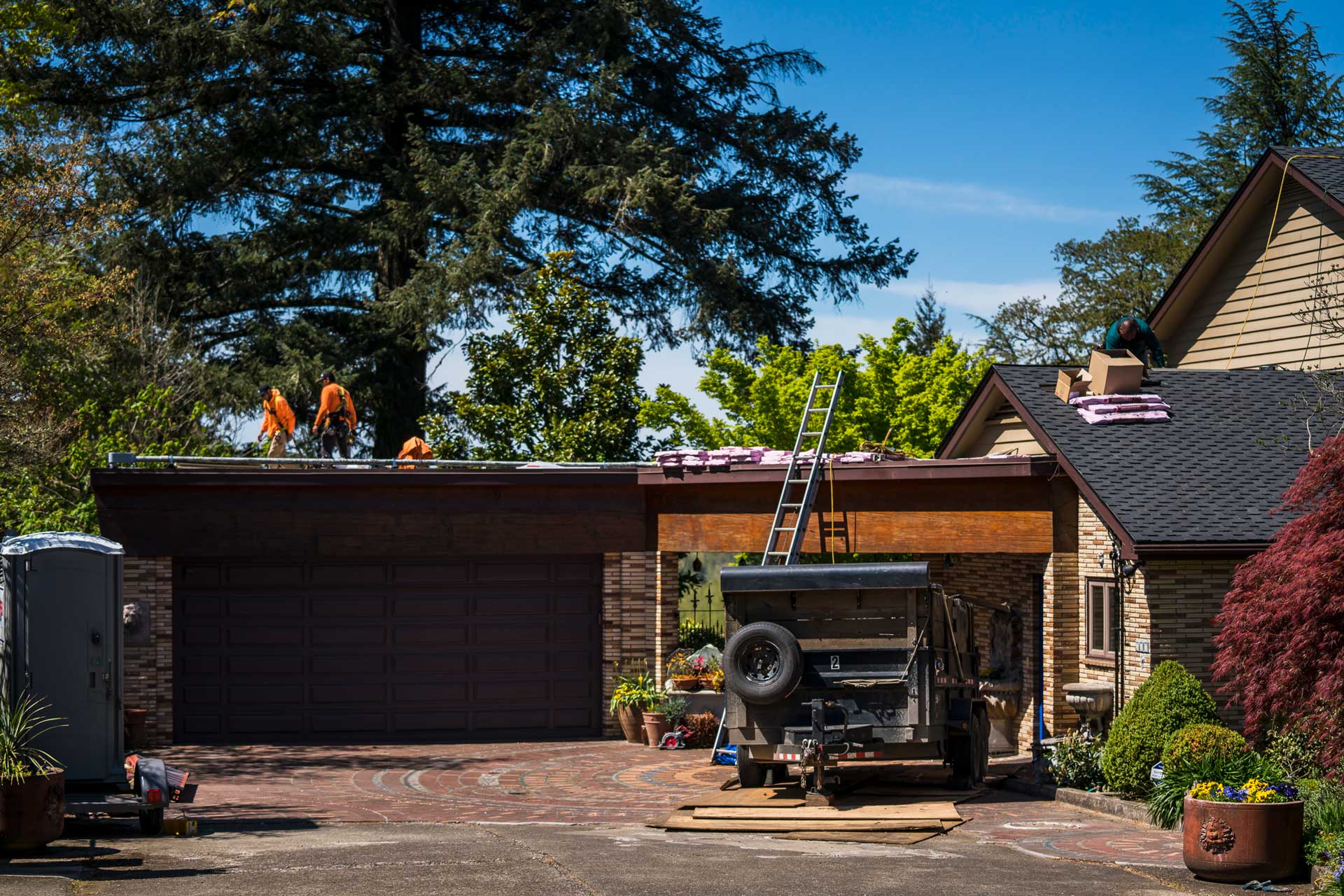
While we call them “flat,” they actually have a very slight “pitch” (usually about 1/4 inch of drop per foot) to prevent your roof from becoming a swimming pool. This is just enough pitch to guide water toward drains or gutters.
Where They’re Commonly Found
You usually find these on ultra-modern homes, or as a solution for specific parts of a house like sunrooms, garages, or home additions where a tall, pointed roof would block a second-story window.
- Modern or contemporary-style homes
- Home additions
- Porches and patios
- Sunrooms
- Garages
These roof types are often chosen when a full pitched roof isn’t practical or doesn’t match the home’s design.
Some Advantages of Low-Slope & Flat Roofs
- Clean, modern appearance: Flat roofs create sleek lines and a minimalist look.
- Easier access: Maintenance and inspections are typically simpler than on steep roofs.
- Usable space: Flat roofs can support HVAC units, solar panels, or even rooftop decks and gardens in some cases.
Want to learn more about the advantages of low-slope roofs? Read our post Will a Flat Roof Work in the Pacific Northwest?
Now that you understand residential roof types, let’s move on to common materials used in roofing.
4. Common Residential Roofing Materials
Choosing the right material for your home isn’t just about “curb appeal”—it’s about matching the material to your roof’s personality (specifically its slope) and your local weather.
Here is a breakdown of the most common materials you’ll see on residential homes today, categorized by where they perform best.
Materials for Pitched (Sloped) Roofs
If your roof has a noticeable peak, you’re likely looking at these options. These materials rely on gravity to shed water quickly.
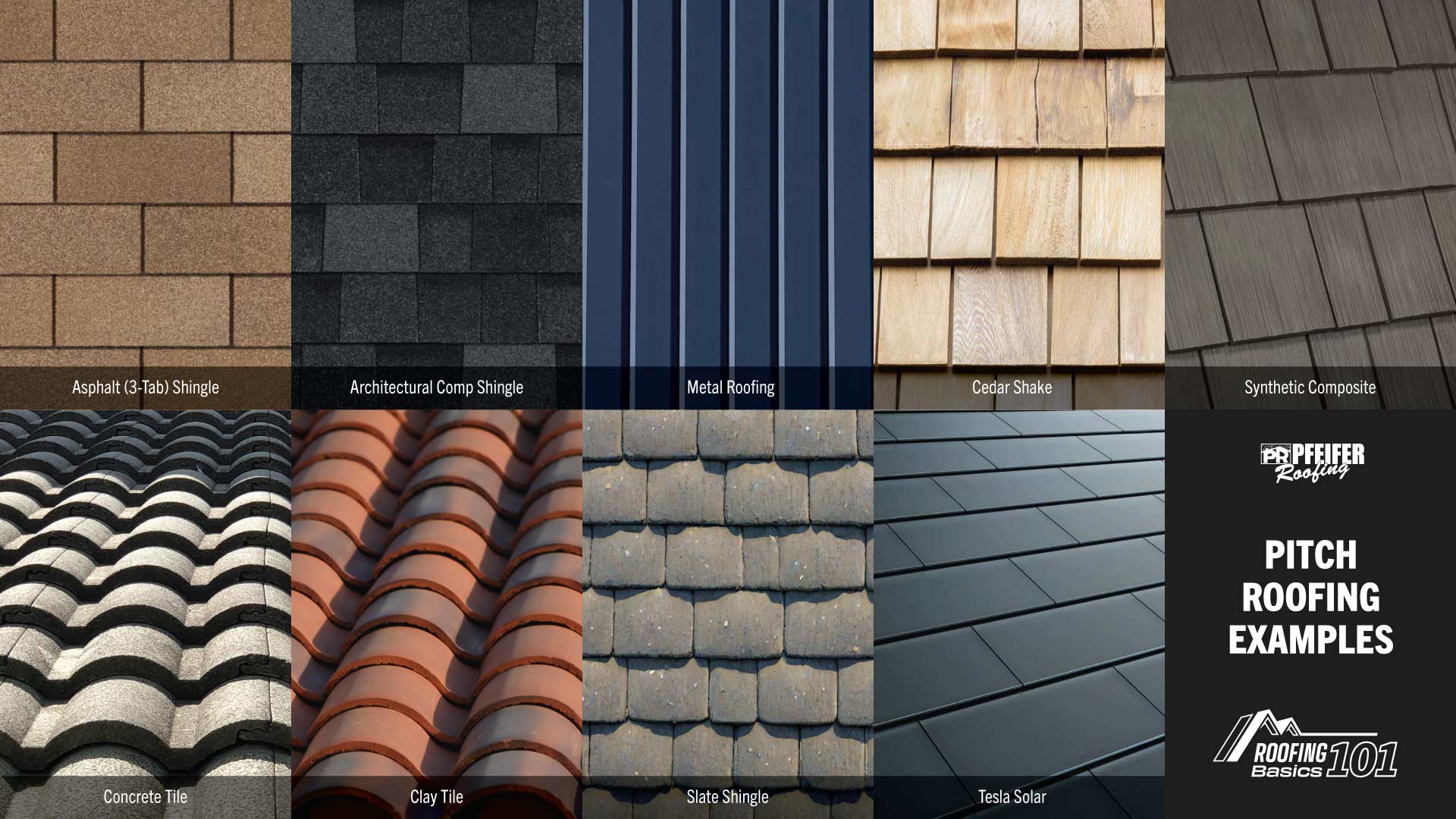
Asphalt (3-Tab) Shingles
Formerly the “old reliable” of the roofing world, flat asphalt shingles were the most common roofing material used on residential homes. They were affordable, reliable, and available in a wide range of colors and styles. Homeowners often chose 3-tab asphalt shingles because they provided solid protection and were easy to repair or replace. However, in many parts of the country, these are being phased out for architectural shingles. Lifespan: 15-20 years
Architectural (Composition) Shingles
Architectural comp shingles are a thicker, more durable version of traditional asphalt shingles and are the most common type of roofing shingle installed today. They’re designed to add depth and dimension to a roof, giving it a more high-end look They don’t just look better; they typically handle high winds much more effectively than the flat (3-Tab) versions. See Owens Corning Duration and Duration Max. Lifespan: 30-50 years
Some luxury or premium versions mimic traditional wood shakes, like Owens Corning Woodcrest or Woodmore. Want to learn more about asphalt architectural comp shingles? Check out Why Are Asphalt Shingles So Popular?
Metal Roofing
Once reserved for barns or commercial buildings, metal roofing has become increasingly popular for residential homes. It’s known for its long lifespan, energy efficiency, and ability to withstand harsh weather. While it costs more upfront, it’s a “one and done” choice for many homeowners because it can last 50 years or more. Metal roofing can also reflect heat, which helps keep your summer cooling bills down. Lifespan: 40-70+ years
Wondering if metal roofing is right for you? Take a look at Is a Metal Roof Right for My House?
Cedar or Wood Shake
Wood or cedar shake roofs offer a natural, rustic look that adds character to a home. Cedar is the most common wood used because it resists insects and decay better than other wood types. While visually appealing, wood shakes require regular maintenance and may not be suitable in fire-prone areas. Lifespan: 20-40 years
Synthetic or Composite Shake
Synthetic or composite shake roofing is designed to replicate the appearance of natural wood without the same level of maintenance. These materials are lighter, more fire-resistant, and less prone to moisture or insect damage. Many homeowners choose synthetic options for their durability and consistent appearance. Lifespan: 40-50+ years
Concrete tile
Concrete tile is a strong, long-lasting roofing material that works well on pitched roofs. It can be made to resemble slate, clay, or wood shake, offering design flexibility. Because of its weight, proper structural support is required. Lifespan: 40-75 years
Clay tile
Clay tile roofing is known for its distinctive style and durability. Commonly seen on Mediterranean or Spanish-style homes, clay tiles resist heat and fire extremely well. When properly installed, they can last for decades. Lifespan: 50-100+ years
Slate tile
Slate is a natural stone roofing material known for its timeless appearance and exceptional longevity. A slate roof can last 75 years or more, but it requires specialized installation and comes with a higher upfront cost. Lifespan: 75-150+ years
Tesla Solar Roof
Tesla Solar Roof combines traditional roofing materials with built-in solar technology. Instead of mounting solar panels on top of a roof, the solar cells are integrated directly into the roofing tiles. This option provides a clean, modern appearance while generating renewable energy, though it typically comes with a higher initial investment and requires specialized installation. Lifespan: 25-30+ years, with a 25-year product and weatherization warranty
Materials for Low-Slope (Flat) Roofs
Flat roofs (common on modern designs, garages, or home additions) are a different beast. Since water doesn’t rush off them, the material needs to act like a waterproof skin.
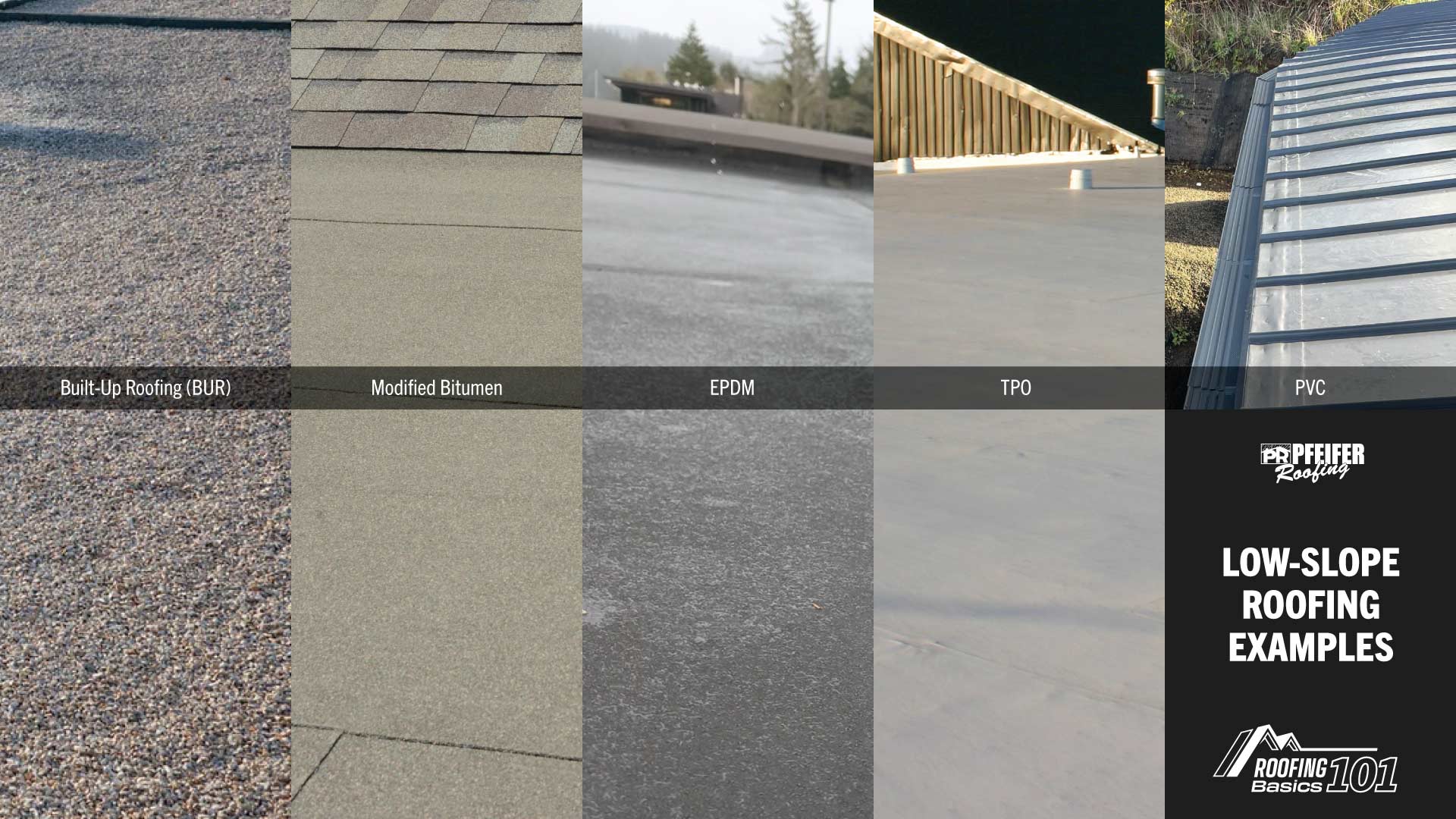
Built-Up Roofing (BUR)
Often called “tar and gravel” roofs, built-up roofing is made of alternating layers of bitumen and fabric. These layers create a thick, durable surface that offers excellent protection against water. BUR systems have been used for decades and are known for their proven performance. Lifespan: 20-30 years
Modified Bitumen
This is essentially a modern version of the old “tar and gravel” roofs. It’s a peel-and-stick or heat-applied asphalt sheet that is very thick and resistant to punctures, which is great if you have to walk on your roof frequently. Lifespan: 15-20 years
EPDM (Rubber Roofing)
EPDM is a rubber roofing material valued for its flexibility and longevity. It performs well in extreme temperatures and is commonly used on flat or low-slope residential roofs due to its durability and ease of maintenance. EPDM is known as the “budget” choice. Lifespan: 15-25 years
TPO Roofing (The Energy Saver)
TPO (thermoplastic polyolefin) is a single-ply roofing membrane known for its energy efficiency and is the “standard” energy-efficient choice. This is a white, rubber-like membrane. Because it’s bright white, it reflects sunlight like a mirror, which is a lifesaver for keeping your home cool in the summer. Lifespan: 7-20 years
PVC Roofing (The High Performer)
If TPO is the “standard” energy-efficient choice and EPDM is the “budget” choice, PVC (polyvinyl chloride) is the high-performance upgrade. While it looks almost identical to TPO (it’s usually white and reflective), it’s engineered to be much tougher. PVC (polyvinyl chloride) roofing is known for its strength, flexibility, and resistance to chemicals, grease, and standing water. When properly installed and maintained, PVC roofs often outlast other single-ply systems, making them a popular option for residential low-slope roofs, especially on additions, porches, and modern-style homes. Lifespan: 20-30+ years
5. How Long Will Your Roof Actually Last?
If you’re asking, “How much time do I have left with this roof?” the honest answer is: it’s complicated. Different roofing materials have different life expectancies. How well a roof performs over time is influenced by everything from the materials themselves to weather conditions to venting to how well it’s maintained.
Average Lifespan by Roofing Material
Here’s a general idea of how long common residential roofing materials tend to last:
- Asphalt (3-Tab) Shingles: The former standard for homes, asphalt 3-tab shingle roofs typically last 15–20 years, depending on the quality of the shingles and installation.
- Architectural or Dimensional Shingles: These thicker, higher-quality shingles often last 25–50 years.
- Metal roofing: Known for durability, metal roofs can last 40–70+ years with proper care.
- Wood shakes or shingles: These usually last 20–30 years, though regular maintenance is important to prevent rot or insect damage.
- Tile (clay or concrete): Tile roofs are extremely durable and can last 50–100 years, especially in mild climates.
- Slate roofing: One of the longest-lasting options, slate roofs can last 75–150 years when properly installed.
These are averages, not guarantees. A roof’s actual lifespan can be shorter, or longer, depending on several key factors.
Wondering which roof is best for you? Check out What Type of Roof Shingles Are Best?
Factors That Affect Roof Longevity and Why Some Roofs Give Up Early
- Climate: Roofs take the brunt of the weather every day. Extreme heat, heavy rain, snow, hail, high winds, and frequent temperature changes can all shorten a roof’s lifespan. Harsher climates simply wear materials down faster.
- Ventilation: Proper attic ventilation helps regulate temperature and moisture. Poor ventilation can cause heat and moisture to build up, leading to warped shingles, mold growth, and premature aging of roofing materials.
- Installation quality: A roof is only as good as the person who nailed it down, so even the best roofing materials won’t perform well if they’re installed incorrectly. If the original installation was rushed or sloppy, it’s going to fail sooner. Proper installation ensures shingles are sealed correctly, flashing is watertight, and the roof can handle weather as designed.
- Maintenance: Just like your car needs oil changes, roof maintenance such as regular inspections, cleaning debris, fixing small issues, and addressing leaks early can significantly extend the life of a roof. Neglected roofs tend to fail much sooner.
Warning Signs Your Roof May Be Nearing the End of Its Life
As a roof ages, it often gives warning signs before major problems occur. Common signs include:
- Shingles looking “crispy”: If they’re curling at the edges, cracking, or just missing entirely.
- Roof “sand” in the gutters: If you see a pile of granules (the gritty stuff on shingles) in your downspouts, your roof is losing its protective layer.
- Inside evidence: Water spots on the ceiling or dark streaks on your attic rafters.
- Growth: Moss or algae might look charming, but it holds moisture against your roof and speeds up rot.
- Sagging Roof Areas: If the roof structure looks wavy with dips and valleys, the decking may also be compromised.
- Old Age: A roof that’s approaching or past its expected lifespan should definitely be professionally inspected.
If you’re noticing one or more of these signs, it may be time to have your roof professionally inspected. Catching problems early can help you plan ahead, whether that means repairs or preparing for a full roof replacement.
Now that you’ve learned how long a roof will last, let’s look at some of the common roofing problems homeowners face.
6. Common Roofing Problems Homeowners Will Face
No matter what type of roof you have, wear and tear is inevitable over time. Weather, age, and even small installation issues can lead to problems that often start quietly and get worse if they’re ignored. Below are some of the most common roofing issues homeowners experience, broken down by roof type.
Pitched Roof Issues
Pitched roofs are the most common style on residential homes, but they still come with their own set of challenges.
- Missing or damaged shingles
Shingles are your roof’s first line of defense. High winds, hail, and falling debris (such as tree branches) can crack, curl, or blow shingles right off the roof. Even a few missing shingles can expose the layers underneath, increasing the risk of leaks and water damage. - Leaks Around Chimneys or Vents (The vulnerable spots)
Anywhere something sticks through the roof—like a chimney, plumbing vent, or skylight—is a potential weak spot and entry point for water. Over time, the flashing and sealants around these areas can break down, allowing water to seep in and cause ceiling stains, rot, or mold inside your home. - Ice Dams (The Winter Enemy)
If you live where it snows, you’ve likely seen ice dams. Ice dams form when heat escapes from the attic and melts snow on the roof. That melted snow refreezes at the roof’s edge, creating a barrier that traps water. The trapped water or dam can then work its way under shingles and leak into the home. - Poor attic ventilation (suffocating attics)
Your roof needs to breathe. Proper ventilation helps regulate temperature and moisture in your attic. Without proper airflow, your attic becomes a hothouse in the summer and a moisture trap in the winter. Said another way, when ventilation is inadequate, heat and moisture can build up, shortening the lifespan of your roof, increasing energy costs, and sometimes leading to mold or wood rot.
Low-Slope Roof Issues
Low-slope (also called “flat”) roofs are commonly found on additions, garages, modern homes and commercial buildings. While durable, they face different types of problems than pitched roofs.
- Ponding water
Unlike pitched roofs, low-slope roofs don’t shed water as quickly. If water sits on the roof for long periods after rain, it can weaken roofing materials and eventually lead to leaks or structural issues. For waterproofing membranes such as TPO, PVC, and EPDM, a certain amount of ponding water is not necessarily problematic. - Seam separation
Low-slope roofs are often made of large sheets of roofing material joined together at seams. Over time, temperature changes and expansion-contraction movement can cause these seams to pull apart, creating openings for water to enter. - Membrane punctures
Because flat roofs are flat, people tend to walk on them more. As such, the roofing membrane on a low-slope roof can be damaged by foot traffic or falling branches and sharp debris. Even small punctures can allow water to penetrate and spread underneath the surface before the problem is noticed. - Clogged drains
On a flat roof, your drains are your best friends. If they get stuffed with leaves or debris, your roof essentially becomes a swimming pool, preventing water from draining properly. When water has nowhere to go, it increases the risk of leaks, ponding, and damage to the roof system.
7. Roof Maintenance Tips (A Little Love Goes a Long Way)
Taking care of your roof doesn’t have to be complicated. A little regular attention can go a long way toward preventing leaks, extending the life of your roof, and avoiding costly repairs.
Here are some simple maintenance tips every homeowner can follow. (We also offer maintenance plans in our Oregon service area. Learn more about our maintenance plans here.)
Visual inspections you can safely do (Feet-on-the-ground)
You don’t need to climb onto your roof to keep an eye on its condition. In fact, most of the best “scouting” happens from the safety of your lawn. From the ground, look for obvious signs of trouble such as missing, cracked, or curling shingles. Inside your home, keep an eye on ceilings and attic spaces for water stains, discoloration, or signs of moisture. These can be early indicators of a roofing issue. After heavy rain or wind, it’s especially smart to do a quick visual check to make sure nothing looks out of place.
Gutter maintenance (Twice a year)
Clean gutters play a big role in protecting your roof. When gutters are clogged with leaves and debris, water can back up and seep under the roof’s edge, leading to rot or leaks. Make sure your gutters are cleared out at least twice a year—more often if you have trees nearby. Also check that downspouts are directing water away from your home’s foundation, not pooling near the roofline.
Keeping debris off the roof (Clear the clutter)
Leaves, branches, and other debris may not seem harmful, but when they sit on your roof for too long, they can trap moisture and speed up wear and tear. Over time, this can lead to mold growth or shingle damage. Using a roof-safe rake or blower from the ground can help keep debris off without putting you at risk. Trimming nearby tree branches will help keep the squirrels off the roof and ensure fewer leaves end up in your gutters.
Why professional inspections matter (especially after storms)
Even with regular homeowner maintenance, some roofing issues aren’t easy to spot without trained eyes. Professional roof inspections can catch small problems—like hidden leaks, soft spots, or storm damage—before they turn into major repairs.
Always call in a pro after a major weather event. Hail and high winds can cause damage that isn’t visible from the ground but can compromise your home’s safety over time. Catching these issues early is the difference between a simple patch-up and a total replacement. If you are on a maintenance plan with Pfeifer Roofing, you’ve got extra protection to catch these issues before they become a problem 1-2 times per year.
Now, let’s look at how to tell the difference between repair and replacement.
8. Repair vs. Replacement: How to Know the Difference
One of the most common questions homeowners ask is whether their roof needs a simple repair or a full replacement. It’s a big decision that impacts both your peace of mind and your wallet. The answer depends on a few key factors, including the age of the roof, the extent of the damage, and how much longer you plan to call this house “home.”
Here’s how to tell the difference.
When a Repair is Sufficient
Think of a repair as a “targeted fix.” It’s usually the best move when the rest of your roof still has plenty of life left in it and the damage is minor and localized. This might include a few missing or damaged shingles, a small leak around a flashing or vent, or issues caused by a recent storm. If your roof is relatively young and otherwise in good condition, repairing the problem area can restore its performance and extend its lifespan. Repairs are also a good option when the rest of the roof is structurally sound and not showing signs of widespread wear.
When Replacement is the Smarter Move
Sometimes, continuing to patch a roof is like putting a tiny bandage on a major wound. It might stop the bleeding for a minute, but it won’t fix the underlying problem. In this case, full roof replacement is often the better choice when problems are widespread or recurring. If your roof is nearing the end of its expected lifespan, has extensive shingle damage, sagging areas, or multiple leaks, repairs may only offer temporary relief. Replacing the roof allows underlying issues to be addressed and provides a fresh start. Modern materials often offer better durability, energy efficiency, and protection. In these cases, replacement can save you from ongoing repair costs and repeated disruptions.
Cost Considerations and Long-Term Value
It’s no secret that a full replacement is a significant investment. A replacement costs more initially, but it often delivers better long-term value by reducing maintenance, improving energy efficiency, and increasing home resale value. However, it’s helpful to look at the “big picture” or long-term value:
| Feature | Repair | Replacement |
| Upfront Cost | Lower | Higher |
| Lifespan | Temporary fix | 20+ years |
| Energy Efficiency | No change | Often improved with modern materials |
| Home Value | Maintains current value | Significant boost to resale value |
Pro Tip: If you’re planning to sell your home in the next year or two, a brand-new roof is one of the strongest selling points you can have. Conversely, if you just need to get through one more winter, a repair might buy you the time you need.
Ultimately, you don’t have to guess. A trusted roofing professional can help assess your roof and recommend the option that makes the most financial sense over time.
Now that you’ve learned about the differences between repair and replacement, let’s move forward to what you should expect with a professional roofing inspection.
9. What to Expect from a Professional Roofing Inspection or Estimate
Think of a roofing inspection as a “wellness check” for your home. A professional roofing inspection is designed to give homeowners a clear picture of their roof’s condition, such as what’s working, what isn’t, and what may need attention down the road. Knowing what happens during an inspection can help you feel more confident and prepared. Instead of charging for roof inspections, Pfeifer Roofing includes these inspection points in our free roofing estimates.
What a Contractor Looks For
Beyond just looking for “holes,” a contractor is essentially a detective. During an inspection, a roofing contractor is looking for signs of wear, damage, or potential failure. This includes obvious issues like:
- Missing or damaged shingles
- Soft spots in the roof
- Improper installation
- Early signs of leaks
- Age-related deterioration
Areas that are vulnerable to future damage, especially after storms or heavy weather.
Interior and Exterior Inspection Points
A thorough inspection covers both the outside and inside of your home. On the exterior, the contractor examines shingles, flashing, vents, chimneys, gutters, and roof penetrations, anywhere water could potentially enter. They’ll look at how well materials are sealed and whether everything is properly aligned and secured.Inside the home, the contractor may inspect the attic or ceilings for water stains, mold, damp insulation, or signs of poor ventilation. These interior clues often reveal roofing problems that aren’t yet visible from the outside.
Documentation and Recommendations: Making Sense of the Results
Once the ladder is back on the truck, you shouldn’t be left with a vague answer of “it looks okay.” You should receive clear documentation of the findings. This may include notes, photos, or a written report explaining the condition of your roof. A reputable contractor will outline any recommended repairs, maintenance, or replacement options and explain why they’re necessary. They should also help you prioritize issues—what needs immediate attention versus what can be planned for later.
Questions Homeowners Should Ask
A roofing inspection is also your opportunity to ask questions. You might want to ask:
- “Realistically, how many years of life does this roof have left?”
- “What’s the one thing I can do now to prevent a massive bill later?
- “If this were your house, would you patch it or replace it?”
It’s also smart to ask about warranties, timelines, and what steps can be taken to extend the roof’s life. A professional contractor will welcome these questions and provide clear, honest answers. Let’s look at how much a new roof costs next.
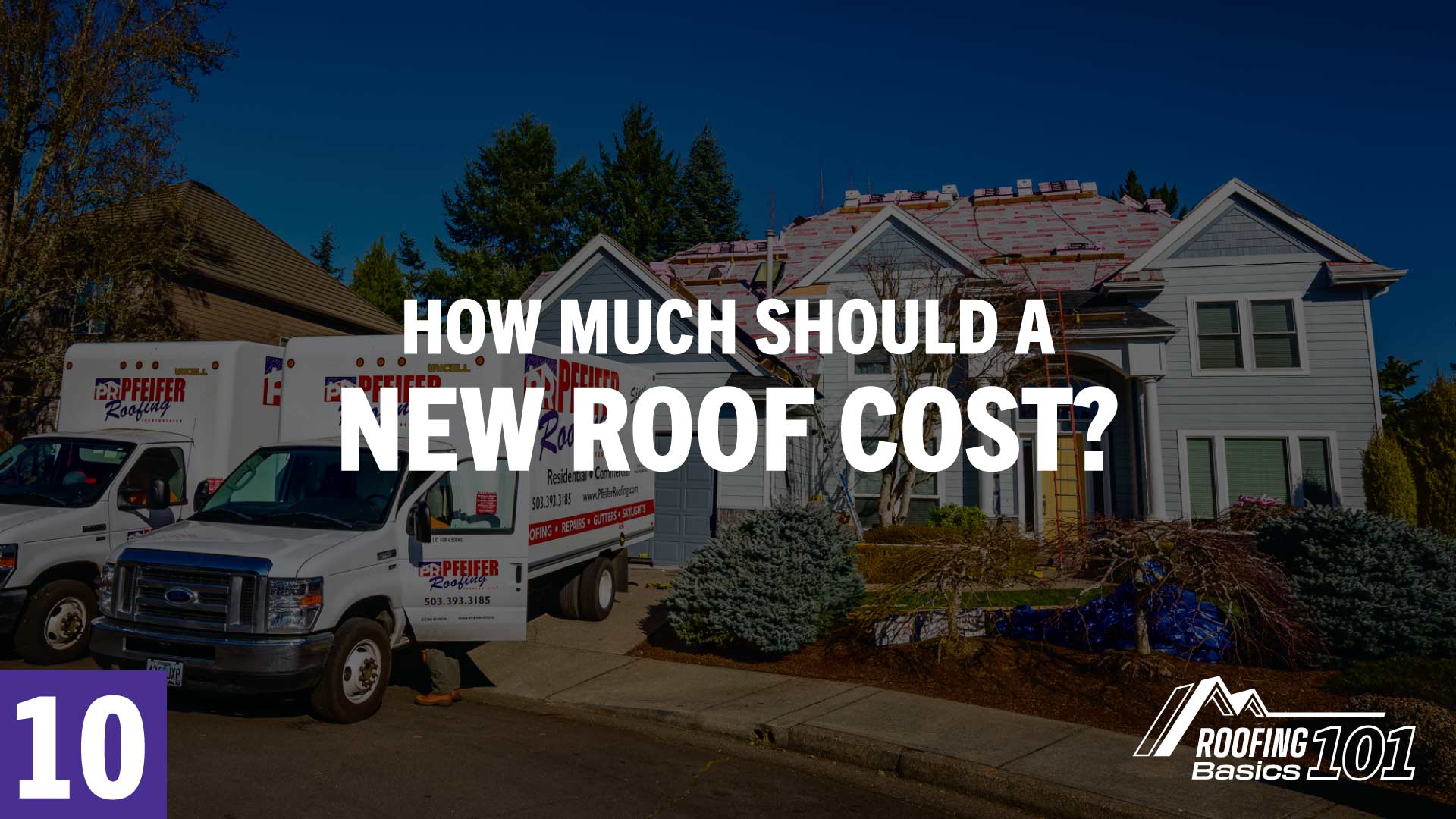
10. How Much Does a New Roof Typically Cost?
If you live in western Oregon or Washington, you know that our weather is unique and your roof bears the brunt of it. Between the relentless drizzle, the occasional heavy snow, and the ever-present threat of moss, a roof here has a big job to do.
Because we need more “heavy-duty” protection than a homeowner in a dry climate, roofing costs are higher than the national average. This is due in part to the wet climate, moisture-resistant materials, and regional labor rates.
Here is a breakdown of what you can expect to pay in the Pacific Northwest (PNW) and why those numbers look the way they do:
Average Cost of a New Roof (Pacific Northwest)
A standard residential roof replacement on a 1,500–2,500 sq. ft. home often ranges from about $10,000 to $25,000 depending on materials and roof complexity. While you might see lower national averages online, our regional labor rates and the need for high-quality moisture barriers often push the starting price point up. If you have a larger footprint, complex roof layout, or choose premium materials, it isn’t uncommon for projects to exceed $30,000.
Roof Size and Complexity
Larger roofs require more materials and labor, and complex rooflines (steep pitches, hips/valleys, skylights) add to the cost. Even here in Oregon, simple gable roofs will cost less than multi-level homes with intricate features. Complex installs also increase labor costs because safety precautions and weatherproofing take extra time. So, if your home has multiple dormers, chimneys, skylights, or intricate valleys, it requires more flashing and more detail-oriented (read: expensive) labor to ensure it stays watertight.
Roofing Material Choice
Material is one of the biggest cost drivers:
- Asphalt shingles (most common): This is the most popular choice. In our region, homeowners usually opt for “architectural” shingles because they handle wind and rain better than flat 3-tab shingles. Pricing often falls around mid-range costs compared to national figures — roughly asphalt materials and installation can range widely based on shingle grade.
- Metal roofing: A favorite in the PNW for its ability to shed pine needles and resist moss. However, expect to pay a premium, often $18,000 to $45,000+ for the lifetime durability it provides.
- Cedar Shake & Specialized Tile: These are beautiful and historically accurate for many PNW homes, but they require specialized installers and can easily double or triple the cost of a standard asphalt roof.
- Tesla Solar Roof: Tesla Solar Roof integrates solar technology directly into durable roof tiles, combining energy generation with a clean, modern appearance. It provides homeowners with renewable electricity while maintaining the look and function of a traditional roof, supported by Tesla’s energy storage and monitoring systems.
Labor and Installation Costs
Labor rates are generally above national averages due to high demand, cost of living, additional safety requirements, and permits. Additionally, our climate requires “The Works” when it comes to installation, including:
- Enhanced Underlayment: We use more robust, waterproof barriers to prevent rot during our six-month rainy season.
- Ventilation: Proper airflow is critical here to prevent attic condensation and mold growth.
Additional Cost Factors (Hidden Costs)
The initial quote you receive might change once the old shingles come off. It is very common to find dry rot in the plywood or OSB decking underneath. Permit fees, other unseen issues, and local code requirements can also raise the final cost. Budgeting an extra 10% for “surprises” is a smart move so you aren’t caught off guard if your contractor finds water damage that needs fixing before the new roof goes on.
Why Estimates Can Vary & How to Budget Wisely
Roof estimates can vary significantly, even within the same city, because of differences in material quality, contractor experience, and included services (e.g., warranty, cleanup). With prices for materials and labor currently fluctuating, an estimate from six months ago might not be accurate today. Always get multiple written estimates and check that each quote includes:
- Warranty specifics (both for materials and the contractor’s workmanship)
- Specific brands of shingles and underlayment
- Cleanup and disposal fees (hauling away old shingles is heavy, expensive work).
In the next section, we’ll discuss what you should look for in a professional roofing contractor.
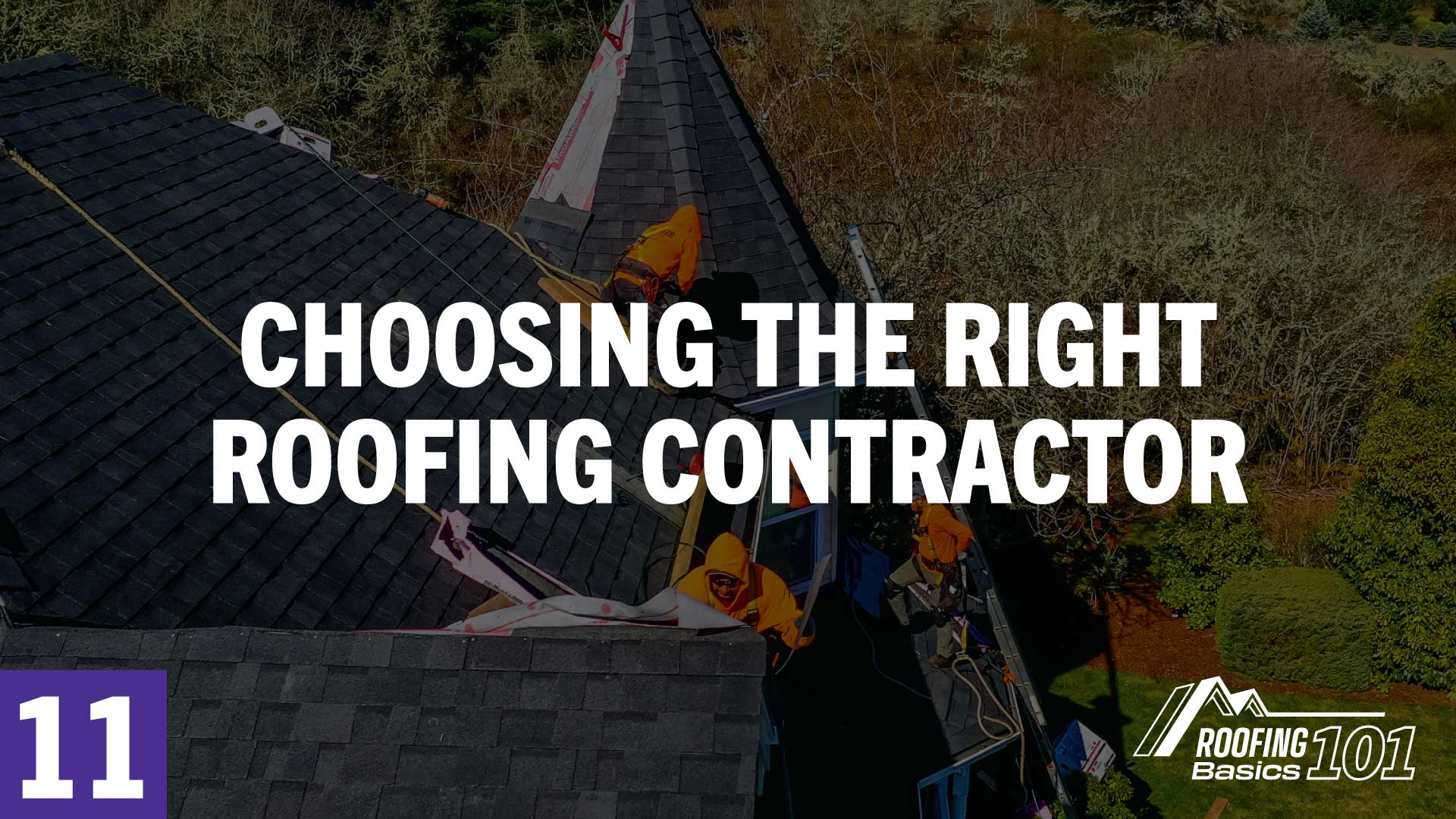
11. Choosing the Right Roofing Contractor
Finding the right roofing contractor can feel a bit like dating. You’re looking for a partner you can trust, who communicates well, and who won’t disappear when things get tough. Not all roofing contractors are created equal, and choosing the right one can make the difference between a roof that lasts for decades and one that causes ongoing headaches. When you’re trusting someone with your home, a little research goes a long way.
Here are the key things to look for when selecting a roofing contractor:
Licensing and Insurance (Non-Negotiables)
A reputable roofing contractor should be fully licensed and insured. Proper licensing shows that the company meets local and state requirements and follows building codes. Insurance is just as important, it protects you from liability if an accident or property damage occurs during the project. Never hesitate to ask for proof of both; a trustworthy contractor will be happy to provide it.
Residential Roofing Experience
Residential roofing has its own set of challenges, from protecting landscaping to working around vents, chimneys, and attic ventilation. Look for a contractor with proven experience working on homes, not just commercial buildings. An experienced residential roofer understands common issues homeowners face and knows how to deliver solutions that are both durable and visually appealing.
Manufacturer Certifications
Many top roofing material manufacturers offer certifications to contractors who meet their standards for training, installation quality, and professionalism. Hiring a certified contractor means your roof is being installed by someone who knows the materials inside and out and follows best practices. It can also give you access to better warranty options that aren’t available through non-certified installers. Pfeifer Roofing is an Owens Corning Platinum Preferred contractor in the Willamette Valley and a CertainTeed Roofing Select ShingleMaster contractor on the Oregon coast.
Warranties and Workmanship Guarantees
Materials have warranties, but what about the person installing them? A quality contractor stands behind their hands-on work.
- The Material Warranty: Covers defects in the shingles themselves.
- The Workmanship Guarantee: Covers mistakes made during the installation process (like a missed seal or a loose flashing). Always get these details in writing. A contractor who offers a long-term workmanship guarantee is essentially saying, “I’m so confident in my crew that I’ll stake my reputation on it.”
Taking the time to choose the right roofing contractor helps ensure your investment is protected and your new roof performs as it should for years to come.
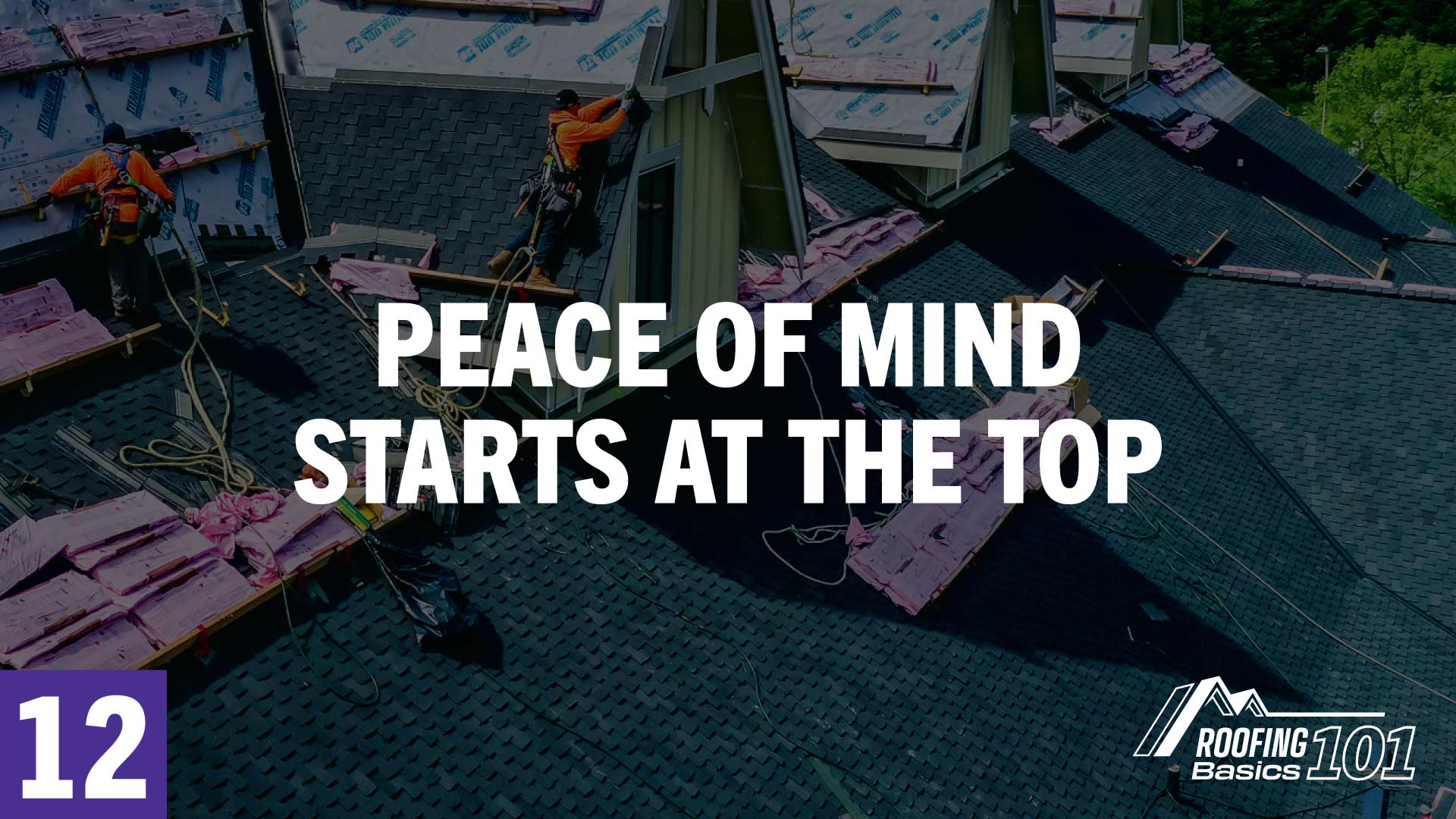
12. Final Thoughts: Peace of Mind Starts at the Top
A roof does a lot more than most people realize. It shields your home from rain, wind, heat, and cold, and it plays a major role in the home’s comfort, energy efficiency, and overall value. Having a basic understanding of how your roof works and what it needs to stay in good shape can help you spot small issues before they turn into costly repairs.
Don’t Wait for the Drip
The biggest mistake most homeowners make is waiting for a visible leak to call a professional. By the time a water spot appears on your ceiling, the moisture has often already invited mold or compromised your insulation.
The secret to a roof that lasts 20+ years isn’t just luck; it’s proactivity. A quick check-up after a rough storm or a seasonal gutter cleaning might seem like a chore, but these small habits are what prevent a minor “fix” from turning into a major “replacement.”
Let’s Get Your Home Winter-Ready (or Storm-Ready)
Whether you’re worried about a missing shingle you spotted from the driveway or you just can’t remember the last time a professional took a look, taking action now is the smartest move you can make.
You don’t have to climb a ladder to get answers. You can:
- Schedule a free estimate to get a professional “health check” on your shingles and flashing.
- Request a no-obligation estimate if you’ve been putting off a known repair.
- Set up a maintenance plan to ensure your home stays protected through every season.
A little attention today ensures that when the next big storm rolls through, the only thing you’ll have to worry about is finding a cozy spot on the couch.